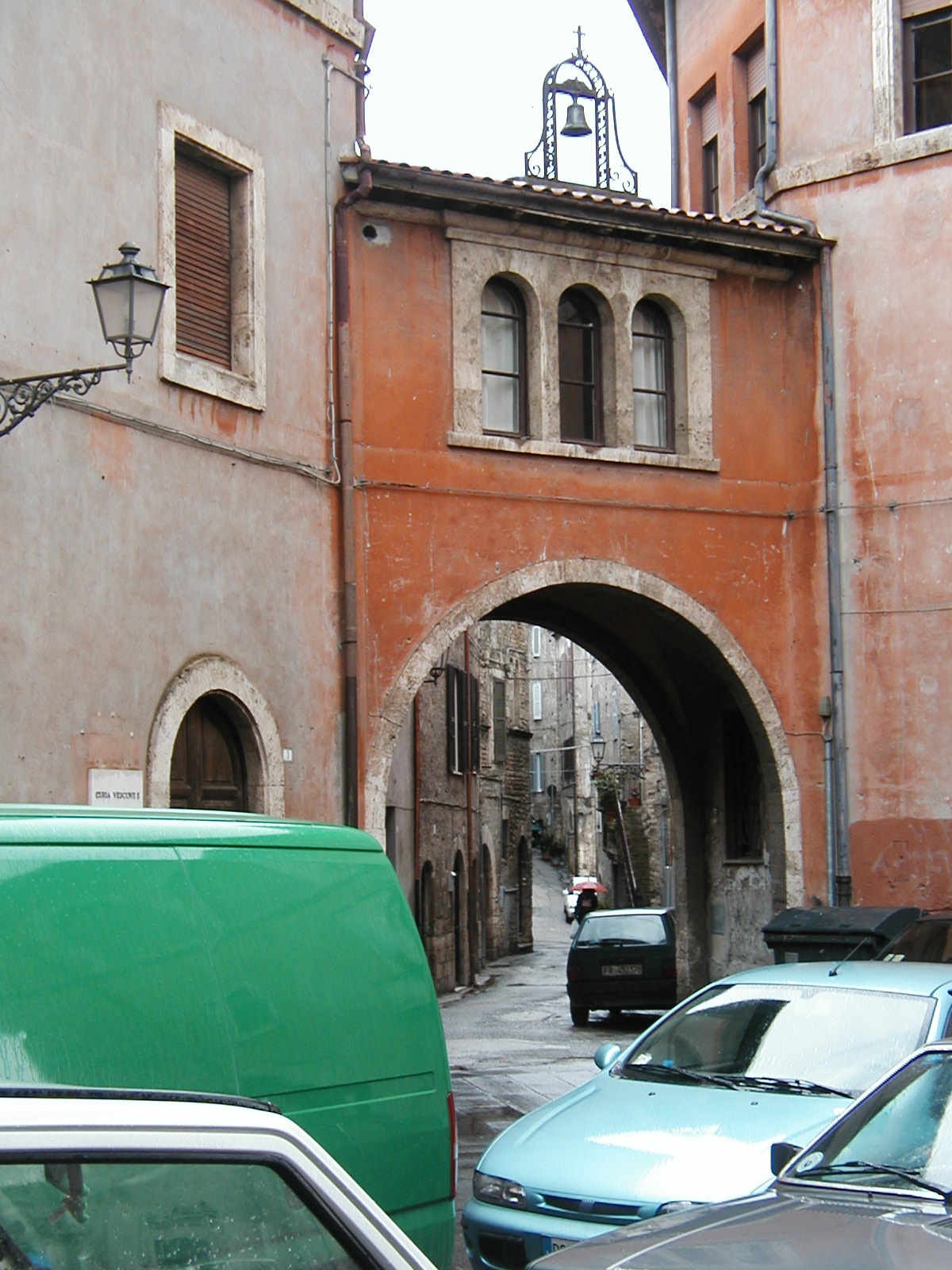
History denied me: Old stuff I can’t figure out.

Exploring Sorrento on foot, Vern and I followed a road that crossed a deep ravine. Looking down, among the thick undergrowth, I saw a ruin, a former mill or factory, it appeared, covered in creepers and moss.

That kind of thing just gets my head spinning. What was it? When was it built? Who worked there? Why was it abandoned? I’m sure that some research could turn up the answers to these questions, but I had higher priorities at the time. Still, that picture catches in my imagination now and then.

The trouble with Italy (and of course there are other places) is that it is filled with these bits of time gone by, wherever you go. Bits of ancient columns built in a new(er) stone wall. Arched “doorways” forty feet above the beach on a cliff face. Roman mosaic fragments dug up during remodeling.

Sometimes when I see such things, a story simply comes to me, and I wonder how close to the truth it might be.

San Bartolomeo in Legio: An Italian hermitage

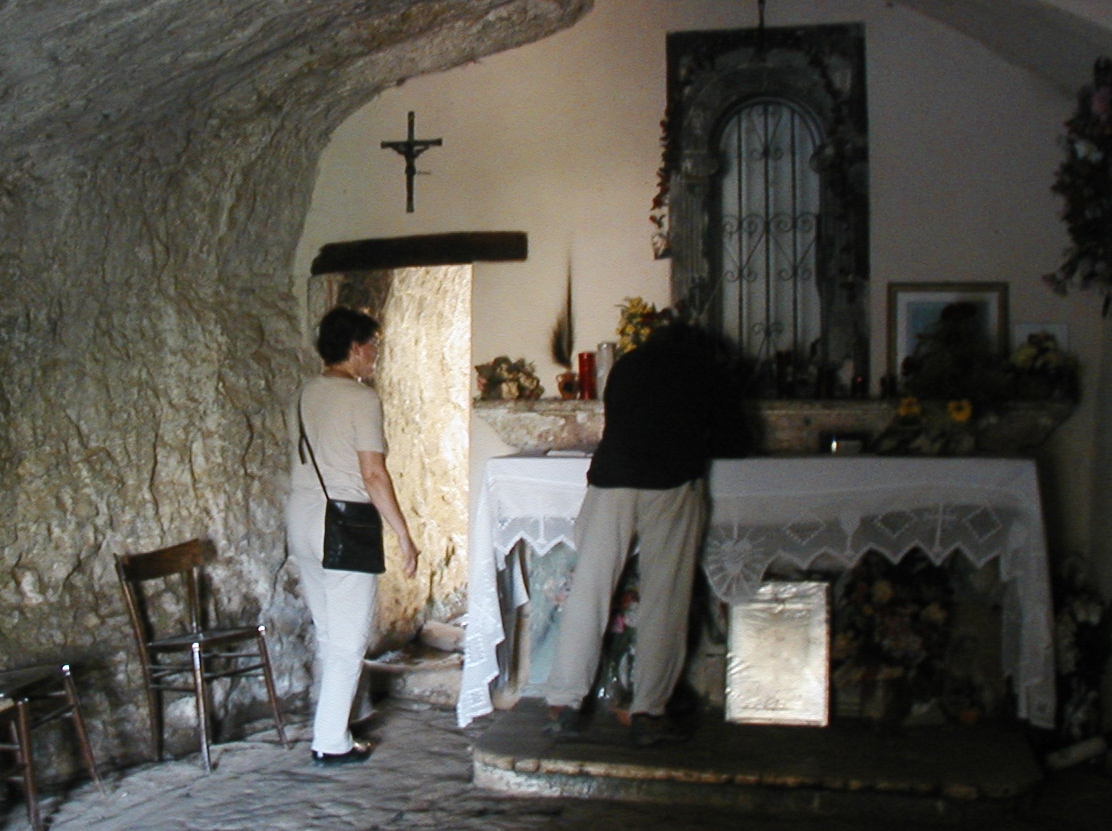
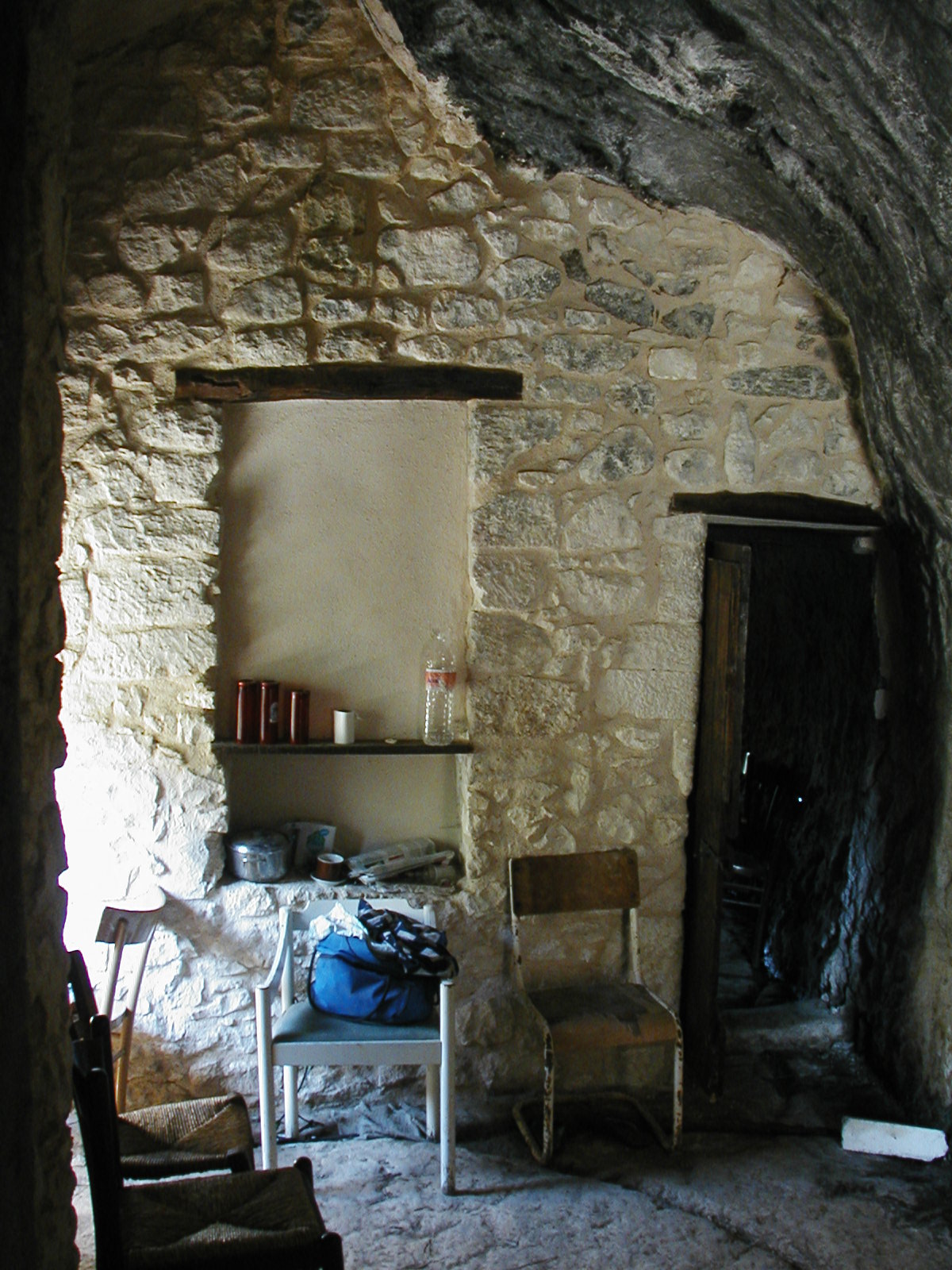
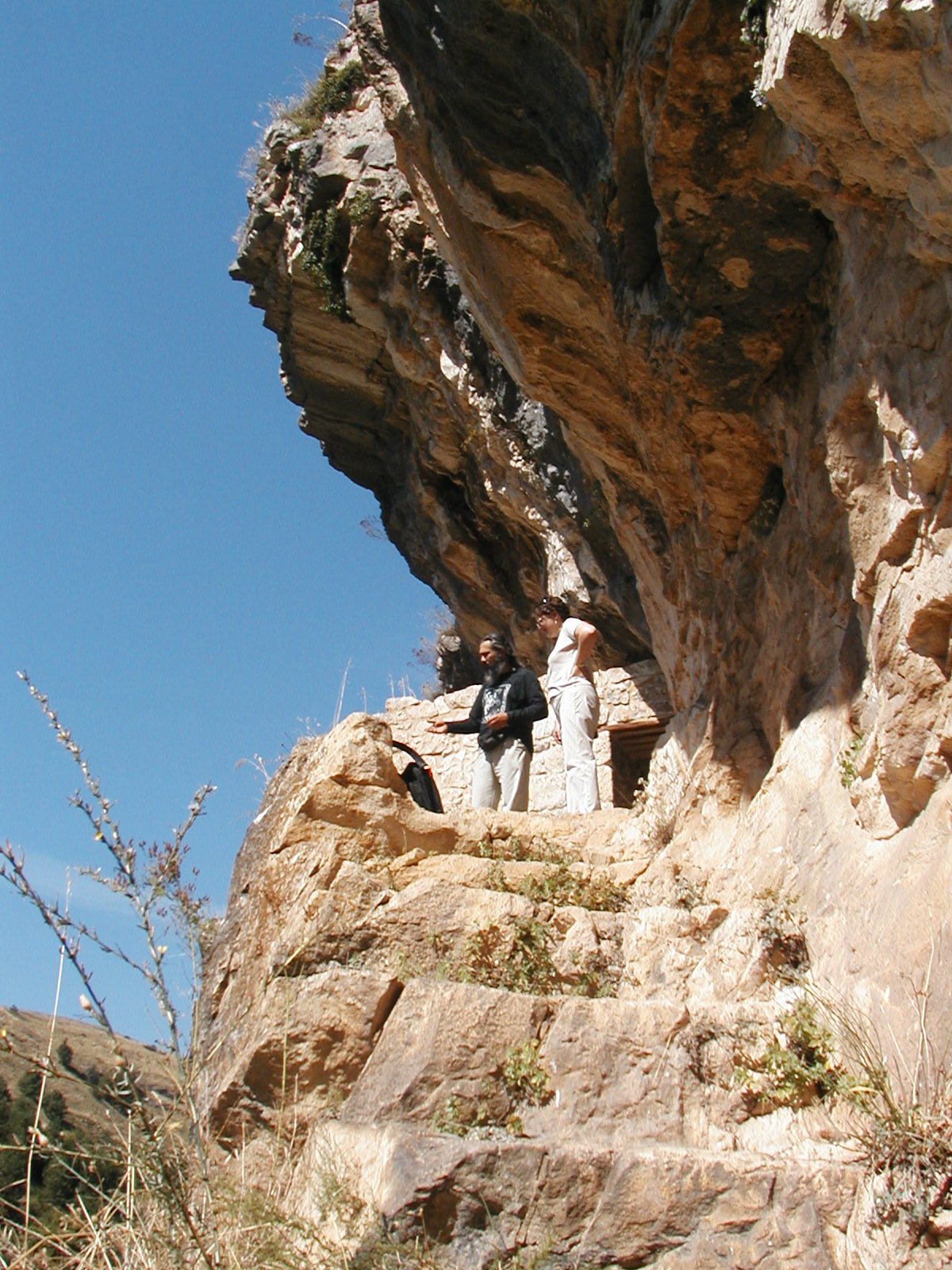
On a hot, clear September afternoon Vern and I followed our friend Cesare along a trail through dry grass on the slopes of Maiella. Our destination: one of the dozens of hermitages in the mountains of Abruzzo, San Bartolomeo in Legio. Pilgrims still visit the site, most commonly on August 25 each year. The narrow trail and ledge discourage crowds!

In the chapelChapel entry, and window on left

Little doorway to nowhere

No handrails on these stairs!

It is hard to imagine spending weeks or months in this isolated place, but there is a beauty in the surroundings, and it seems a good place to encounter God. Here you can read more about it.

Have you ever visited a hermitage? Where was it, and what did you think of it?

The other Norman invasion: The Italian South!

Be careful who you ask for help. That might be the lesson from the story of the “other” Norman invasion, the Norman conquest of southern Italy and Sicily.

Early 19th century print by Lemercier

According to the chronicle of William of Apulia (written about 100 years later), Norman pilgrims returning from the Holy Land stopped in Salerno in 999, and during their stay the city was attacked by Saracen raiders. When the Lombards quickly capitulated, the Normans berated them, took matters in their own hands, and rallied to defeat the Saracens. The Lombard prince, Guaimar, offered them many incentives to stay in Salerno to provide protection, but the Normans returned home with promises that they would spread the word about Guaimar’s need.

About fifteen years later, a band of Normans visiting the Gargano Peninsula shrine to Archangel Michael joined forces with the Lombards to throw off Byzantine control. By 1020, various Norman mercenaries had joined forces with leaders of various principalities and duchies in the southern peninsula. By 1042, the Normans had gained enough power that a leader was selected from among their own: William Iron Arm, the eldest son of Tancred d’Hauteville, was given the title of Count of Apulia, and married the daughter of the Duke of Sorrento. William and several other Norman leaders were granted lands around Melfi.

The Norman castle in Melfi now houses a wonderful museum.

In 1043 William and his younger brother Drogo began campaigns to bring Apulia and Calabria under their control, and in time their younger brother Robert Guiscard joined in their efforts. Guiscard is not a surname–it is his nickname variously translated the Fox, the Wily, the Resourceful, and the Weasel. He was initially, in 1048, granted a castle in Calabria by his brother, but soon became restless for greater conquests.

By the 1050s, the Lombards regretted inviting the Normans to their lands, and with the help of Pope Leo IX, launched an alliance against them, with Swabian and Byzantine support. On June 18, 1053, Humphrey, Count of Apulia, led the Normans to victory in the Battle of Civitate, which cemented their power in the Italian south. Gradually, by the end of the century, the Normans gained control of the entire southern mainland and the island of Sicily.

The Norman kingdom lasted another 100 years, until it went to the Hohenstaufens by marriage in 1194. The Norman presence is still marked by many castles and churches built during their reign.


Pacentro’s annual barefoot race

Not too many years ago, the annual “Irrigation Festival” where I live in Washington state celebrated its 100th year. It is touted as the longest running continuous community celebration in our state, and we celebrated along with our neighbors. And when I grew up in Alaska, my family made the annual trek to Seward for the July 4th Mount Marathon footrace, in the midst of Independence Day revelry. I like community celebrations with some history.

Pacentro towers at dusk

So when my friend Cesare invited us to Pacentro (a place whose castle towers would have been reason enough) for their annual celebration which included a footrace, we were happy to go.

Pacentro is perched on the east side of the wide valley wall south of Sulmona in the central Apennines. We drove up the stony ridge, already crowded with cars, and squeezed into one of his typical, impossible, parking spots. By this point in our travels, I had been immersed in Italian for about a month, and understood more and more of the conversation around me. Cesare and his wife led us to a street overlooking the valley to the south. On the opposite hillside, a large Italian flag appeared to be spray painted on a large rock, marking the start of the race course.

An alleyway in Pacentro, filled with flowers.

A public address system, strung up to a high eave, broadcast tinny announcements that could be heard for several blocks. As the racers climbed the hill to the starting line, Cesare told about the origins of the race, when gypsies camped outside the city saw an enemy approaching, and ran barefoot down the hill, across the valley, and up to the hilltop town of Pacentro to warn them, allowing the town to fend off the danger. In honor of the “Zingari”, or Gypsies, who saved Pacentro, the annual Corsa degli Zingari, (Race of the Gypsies), is celebrated every year. It has become a coming-of-age ritual for the young men of Pacentro. The prize seems odd–a bolt of cloth. But this was the fabric used to make his first suit of clothes as a man, and young men still compete vigorously for the title, running barefoot across the rough terrain.

A band greets the runners.

As the two or three dozen racers got in place, fireworks echoed in the valley, and the noisy crowd grew around us. I struggled to hear the announcements, and to understand them. But I was sure I had misunderstood when the announcer welcomed everyone to the 556th running of the Corso degli Zingari. Wait… 556th? That puts it back into the early 1400s. Really? Yes, Cesare assured me, I had heard him correctly.

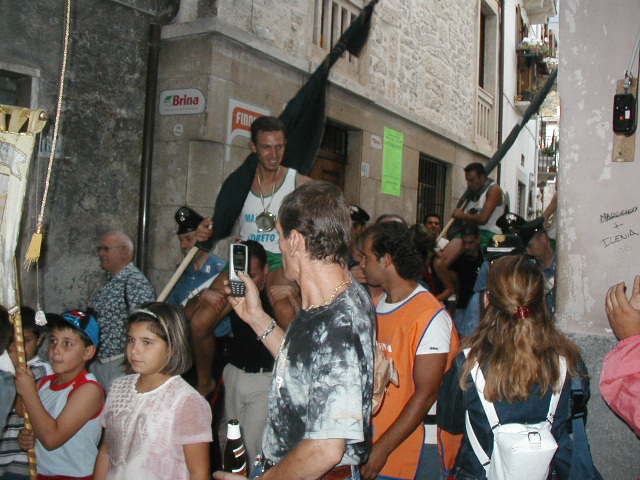
I was still absorbing the historical shock when the ringing of bells signaled the start of the race. We watched them run down the rocky, forested hillside, disappearing into the pines, and reappearing to the cheers of viewers around us. By the time they begin to arrive in the town, within fifteen or twenty minutes as I recall, they are blistered and sometimes bloody. From the finish line, racers are paraded through the narrow crowded streets on the shoulders of their friends.

The victors are paraded through the streets

We stayed for a while, walking through the narrow, medieval streets and admiring the towers before heading back to Sulmona as the sun set . My sense of history had been properly tweaked, a reset button in my brain changing just a little bit how I viewed the “longstanding” Irrigation Festival (only 117 years old this year) and the Mount Marathon race in Seward (where they wear shoes, for Pete’s sake!).

To see a glimpse of Pacentro and the race, here’s a video from 2009. If you plan to be in Italy in September, you might enjoy attending this very much off-the-beaten-track event.

Stupor Mundi, Wonder of the World

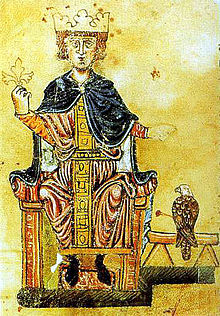
One of the most fascinating people in the history of the Italian south, Frederick II, is a figure of contradictions. An orphan, emperor, crusader, excommunicate, expert in falconry and author of an innovative legal code. Born in 1194, Frederick’s father was Holy Roman Emperor Henry VI, and his mother, Constance, was heir to Sicily, a kingdom which at that time included the southern half of the Italian peninsula.

Here are a few things Frederick is best known for:

His birth:Frederick was born in a public square near Ancona, Italy as his mother traveled south from Germany. She chose this public birth to forestall any doubts about her son’s origin. His father died when Frederick was two years old, and his mother died when he was four; Pope Innocent III became his guardian, overseeing his education and his kingdom during his childhood.

The birth of Frederick II

Crusading: In 1228, after several delays which resulted in his excommunication, Frederick went on crusade. Because he was excommunicated, the local authorities and military orders refused to help him, but Frederick opened negotiations with the sultan Al-Kamil. The two agreed to a truce, and to Frederick’s coronation as King of Jerusalem in March of 1229. Though he never established an effective rule over Jerusalem, his success was admired by some leaders in Europe, though the church was further antagonized by his actions taken without church support.

Legal reforms: The Liber Augustalis, also known as the Constitutions of Melfi, which Frederick promulgated in 1231, set in place a great reform from the feudal system previously used in his kingdom and much of Europe. The reforms made the king’s rule sovereign, required royal permission to carry a weapon, restored Roman “equality before the law” for all citizens, forbade independent city-states which were common in the north of Italy, and set up provincial governments answerable to the king. Although the new laws also made heresy illegal, at the request of the pope, the church frowned on the statute putting the clergy under civil authority.

Castel del Monte, Apulia

Castle design: In 1229, Frederick commenced the construction of a castle of his own octagonal design. Castel del Monte was completed shortly before his death in 1250, and remains the source of some debate as to its intended purpose. Many say it was built as a hunting lodge. It remains today a beautiful landmark in the Apulian countryside.

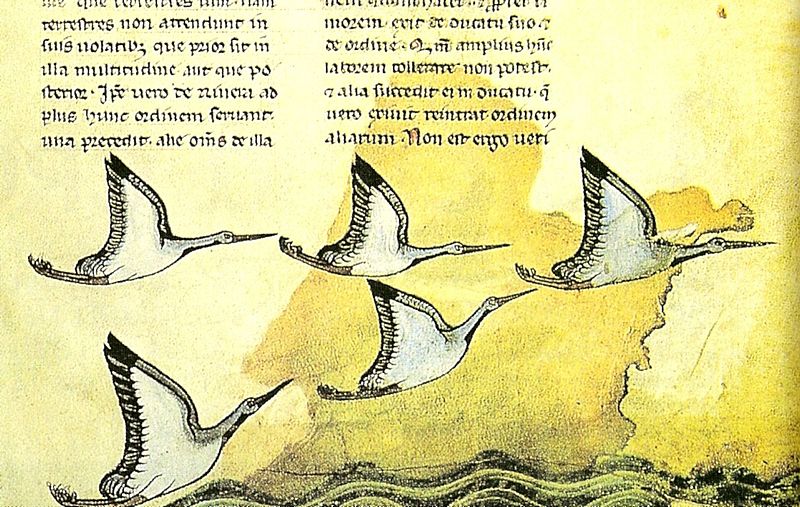
Writer: During the 1240s Frederick wrote a treatise on falconry, a scientific book with detailed illustrations, dedicated to his son Manfred. Titled (in Latin) “The Art of Hunting with Birds”, the book includes Frederick’s own observations and experiments, and is organized with scientific precision. 

Frederick loved Sicily and spent little time in his German realms. He is known as a patron of the arts and sciences, and a man ahead of his time. If all this has whetted your appetite, there’s plenty written about him. For a historian’s view of his life, I recommend David Abulafia’s biography, Frederick II: A Medieval Emperor. If you prefer fiction, you might try Cecelia Holland’s book Antichrist: A novel of the Emperor Frederick II.


Guest Blogger: Pro tips for Italian Genealogy

Jenny Tonks

I’m delighted to welcome Jenny Tonks as my guest blogger this week. Jenny is an Accredited Genealogist for Italian research. She works as an adjunct professor of Family History at BYU-Idaho and teaches high school biographical writing classes. She is also a memoir reviewer for a literary agent in New York. I ran across Jenny’s genealogy website when I was doing some of my own research, and found helpful ideas there for my family research. If your travel plans include searching for Italian roots, you’ll want to see what she has to share!

Today Jenny shares some of her early lessons in Italian genealogy:

One of my most memorable trips to Italy involves not the food, the scenery, the fashion, or the people. It involved stacks and stacks of paper!

I’m talking about my first visit to a diocesan archive.

I was a college student and former resident of Italy at the time, finishing up my degree in Italian Family History at BYU. What I learned in that archive changed my career. It also helped me solve many Italian family mysteries over the years!

Why the Diocese?

When looking for Italian ancestors, there are two basic sources that I consult most often: Italian government records and Catholic church records. Most of these records are available in the United States as microfilms that can be rented through FamilySearch.org.

The government records are great, but they only go as far back as the early 1800’s for most towns in Italy. Church records, however, can go back as far as the 1500’s in Italy.

Getting at government records is easy—government offices are expected to make their data available to the public.

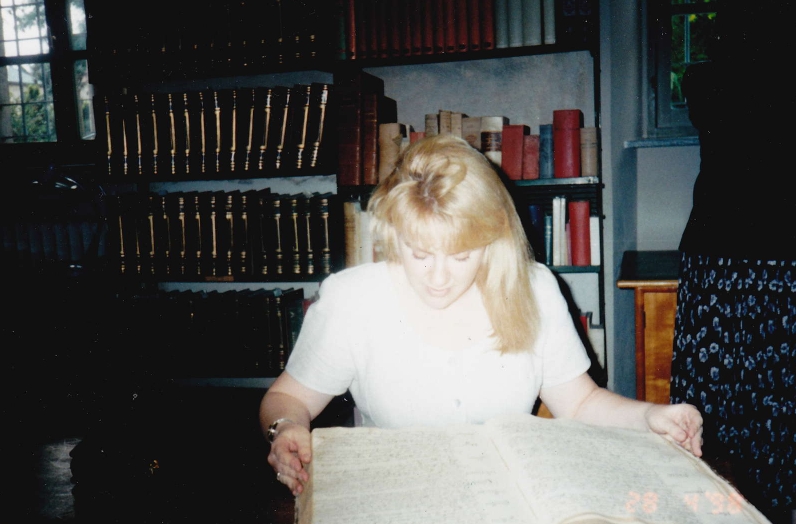
Jenny Tonks with ledger of 1800’s baptisms at the Diocesan Archive of Novara, Italy

But getting my hands on parish records? Not so easy!

I’ve been turned away by more than a few priests who either refused to grant me access to their church records, or who never responded to written, faxed, emailed, or telephoned requests for ancestral information.

But I don’t hold it against them—churches aren’t expected to turn over information the way government offices are. And why should they? Why should busy parish priests have to stop whatever they’re doing every time an American researcher or tourist comes to town, wanting something for the old scrapbook?

In many cases, I’ve found sparsely staffed parishes simply to busy/apathetic to admit me into their archives or respond to my written requests for ancestral information. They’re too busy tending to their flocks, and I understand that.

No problem—I can always go to the diocesan archive!

Generally speaking, I have found most of the clergy who work in these archives to be passionate historians that enjoy looking up ancestors and sharing historical information. They are also more tech-savvy than your typical small town priest, so more willing to photocopy, scan, or email me information.

About the Archives

Typically located at the curia vescovile (seat of a diocese), diocesan archives store:

  • § Copies of their parishes’ birth, death, and marriage records
  • § Diocese-level records not available in parishes—

Stato delle anime (church census records)

Visite pastorali (records of pastoral visits to families in the diocese)

–Ordinations (files on those who became priests or nuns)

–Land records (Italians often donated land to the Church at death)

–And much, much more!

So when I can’t get information about an Italian American client’s ancestor from a parish in Italy, I contact the curia vescovile or the archivio diocesano (diocesan archive).

How to Research a Diocesan Archive

FamilySearch.org has films of diocesan archives for the cities of Parma, Rome, Trento, and Catania that are available to researchers in the United States. They are updating their holdings daily, so to find out if diocesan records are available in the US for your ancestral town, ask the experts at the FamilySearch Italy Genealogy department, via their Facebook page or their research Wiki.
Researchers handling stacks of marriage files in the diocesan archive at Novara, Italy

The day I first visited a diocesan archive, I discovered a key to identifying one’s Italian ancestors that has helped unlock the secrets to many Italian pasts. If ever I can be of help to you, you can tweet me, friend me on Facebook, or send your questions to my Ask a Genealogist site, where I give free research advice.

In bocca al lupo! 

Anagni: Walk through the city with me..

This entry gate to the city of Anagni looks like a great portal for time travel to me. And it’s easy to feel you’ve been transported to the medieval era in Anagni, as so much of that period is preserved.

The city has very ancient origins, and was part of a confederation attacked and defeated by Rome in 306BC. Since that time, Anagni has been an ally of Rome, and a strong supporter of the Roman church. It became an important city during the Middle Ages, and in one 100-year span covering the 13th century, four men from Anagni were elected pope.

On an outer wall of the city’s cathedral hangs a statue of the most famous of those popes, Boniface VIII. You can see it in the upper right corner of this photo.

Boniface’s palace is open for tours, and as we walked through it I could imagine the lavish furnishings this wealthy, powerful man might have enjoyed there. Today the contents are quite sparse, but there are remnants of the thirteenth century paint on some of the walls, in a pattern that reminded me of wallpaper.

The city is open for auto traffic, with many one-way streets and tight spaces. I was glad we found a parking spot outside the walls, and walked through the narrow lanes. Walking also allowed us to take in more of the atmosphere, even though the chilly rain dampened us a bit.

The cathedral has beautiful Cosmati tile work on the floor, and the crypt is decorated with Romanesque/Byzantine frescoes in brilliant color and very well preserved.

The modern buildings surrounding it stand in stark contrast to the medieval center of Anagni. I recommend a visit for history lovers, and anyone interested in medieval buildings and design.

The Grand Tour: An Italy of the past

File:South west prospet of mount Vesuvius - September 1747 issue of The Gentleman's Magazine.jpg

[Illustration from the September 1747 issue of “The Gentleman’s Magazine]

“A man who has not been to Italy is always conscious of an inferiority, from not having seen what it is expected a man should see.”  Samuel Johnson said it, and Joseph Spence, at the age of 31 in 1730, set off from Oxford to see what a man should see. Spence was a commoner with little money, but through the connections of friends, arranged to travel with Lord Middlesex, the 19-year-old son of a duke. The rakish lord drank his way through Europe for a couple of years, while the Oxford don spent his time developing a passion for Italian opera.

In 1737, Spence accompanied John Morley Trevor to the continent, eager to return to Italy. However, Trevor turned out to be a dull companion, and they did not make it to Italy, because Trevor was recalled to England before the end of the year.

In 1740, Spence was asked to accompany another young nobleman, Lord Lincoln, to Italy, where Lincoln was to attend the Royal Academy at Turin. As his governor, Spence oversaw the improvement of Lincoln’s fragile health and guided him out of an affair with an unsuitable partner, returning him to England better prepared for his future.

Spence kept a journal, and wrote numerous letters to his mother while traveling. Here are excerpts from letters to his mother describing his first visit to Naples:

In going to Naples we often passed old Roman roads, in many places all laid with large smooth stone and as entire still as the pavement of a great hall, though near two thousand years old. ‘Tis to me the most surprising thing of art which we have seen abroad. This noble pavement, sometimes for miles together, is bordered with myrtles and a hundred other evergreens, and on each side of it you see perpetually the ruins of old tombs and monuments, for the Romans always buried by great roads (perhaps to put people in mind that this life is but a journey, and that in this world we are not properly at home).

There are sometimes orange-trees in the road, and at Mola, a little seaport on the way to Naples, all the orchards were full of them just like apple-trees with us. Within about thirty miles of Naples we came into a vast plain, the richest soil and the best cultivated in Italy: whence the Italians call it ‘Campagna Felice’ or ‘the happy country’. It was soon after that we discerned the top of the famous Mount Vesuvius, and the smoke which it perpetually flings out looked at that distance like a cloud gilded with the sun.

Naples is one of the most delicious sea-ports in the world: it lies down a sloping ground, all in a large half moon to the sea. The shore on for a great way humours the same shape of a half moon. In one side of it, about six miles on the left hand from Naples, is Vesuvius, and on the right the grotto of Pausilippo and the tomb of Virgil…

It was with a great deal of impatience that I waited for the morning when we were to go up Mount Vesuvius, which was heightened by my seeing it every morning. The tops of the houses are all flat at Naples and as smooth as a floor; they often set them out with flower-pots and orange-trees, and ’tis their usual place for diversion on summer evenings. From the top of our house we had a most distinct view of Vesuvius, and I used to run up there every morning the first thing I did, to see whether he increased in his smoking or not.

At last the morning came: four mile we went along the beautiful shore of Naples in chaises, which were then quit from the rising and badness of the way, for horses. These carried us two mile more, and then the way is so steep and bad that you are forced to quit even them and be dragged up the two last mile by men who make a trade of it…. Two of these honest men get just before you, with strong girdles on; you take hold of the girdles, and then they draw, and you climb up as fast as you can. Both they and we are forced to rest very often, and then tug and trudge again…. In some of the resting places here we felt the earth hot under us as we sat down…. The last stage is infinitely the worst. ‘Tis all loose crumbling earth in which your two draggers and you sink every step almost up to the knees, beside which it often yields under you, and ’tis often impossible not to slip back half a yard…but eagerness to get to the top when so near makes it the less troublesome. When there, you have a ragged rocky edge all round a vast cauldron of perhaps half a mile deep and a mile round, all full of smoke. The wind every three or four minutes clears away the smoke, and then you have a view of it. It sinks irregularly and raggedly all down on the inside. There are several places in it that look of a fire-colour, blueish, greenish and principally yellow…

One of my guides was an extraordinary honest fellow; I was got very intimately acquainted with him in our journey uup. He told me that ‘to be sure the devil lived in that hill’, and wished very heartily that all the Frenchmen were in there with him. Upon my telling him that we are all Frenchmen, he said he was sorry for it, but it could not be helped….

When the wind blew away the smoke from between the crags of the opposite side of the cauldron, we had a veiw of a beautiful piece of country, green fields, meadow-grounds, etc. thick set with houses; on the right hand appeared a part of the delicious bay of Naples: ’twas but turning the head, and we had a full view of all the city and bay.

Spence’s writings are collected in a book edited by Slava Klima entitled Joseph Spence: Letters from the Grand Tour published in 1975.

Watch for a BONUS re-blog of a modern day view of Vesuvius.

An Italian in old Seattle: Joe Desimone

From vegetable farm to international airport!

You never know where the Italian South will crop up! I made my first visit to Seattle’s Museum of Flight last weekend, with some friends from out of town. It’s a beautiful facility directly adjacent to Boeing Field, Seattle’s first international airport. In the photo, the museum buildings are nearest to the airfield, and some of Boeing’s buildings are in the foreground.

Turns out, in the late 1920s when the Boeing company was in its early stages, William Boeing was looking around the country for another location because Seattle did not have a suitable airport to meet the company’s needs. When news of the search got around, immigrant farmer Giuseppe “Joe” Desimone made Boeing an offer he couldn’t refuse–a big tract of land south of downtown Seattle, for one dollar, to keep the company in Seattle. Today the airport is bordered by dozens of Boeing facilities, and both the company and the airport continue to play significant roles in the life of Seattle.

Very cool!I thought, and made note of his name to learn more about him for a blog post. We finished our tour, and continued sightseeing, including lunch and a wander through Pike Place Market. And guess what!? Joe Desimone was one of the earliest participants in the Market, gradually buying shares until he owned the place. His family remained in ownership after Joe’s death in 1946, until the Market became publicly owned in the 1970s.

Joe Desimone taking vegetables to market.

Joe immigrated from the Naples area at the age of 18 in 1898, and by 1910 was a thriving farmer in King County. His stall features prominently in this historic video footage of Pike Place Market–you can see his name on the sign at about the one-minute point, and again at three minutes into it, but I don’t know which of the men in the movie is him.

Italian Roots: Some ideas for finding them

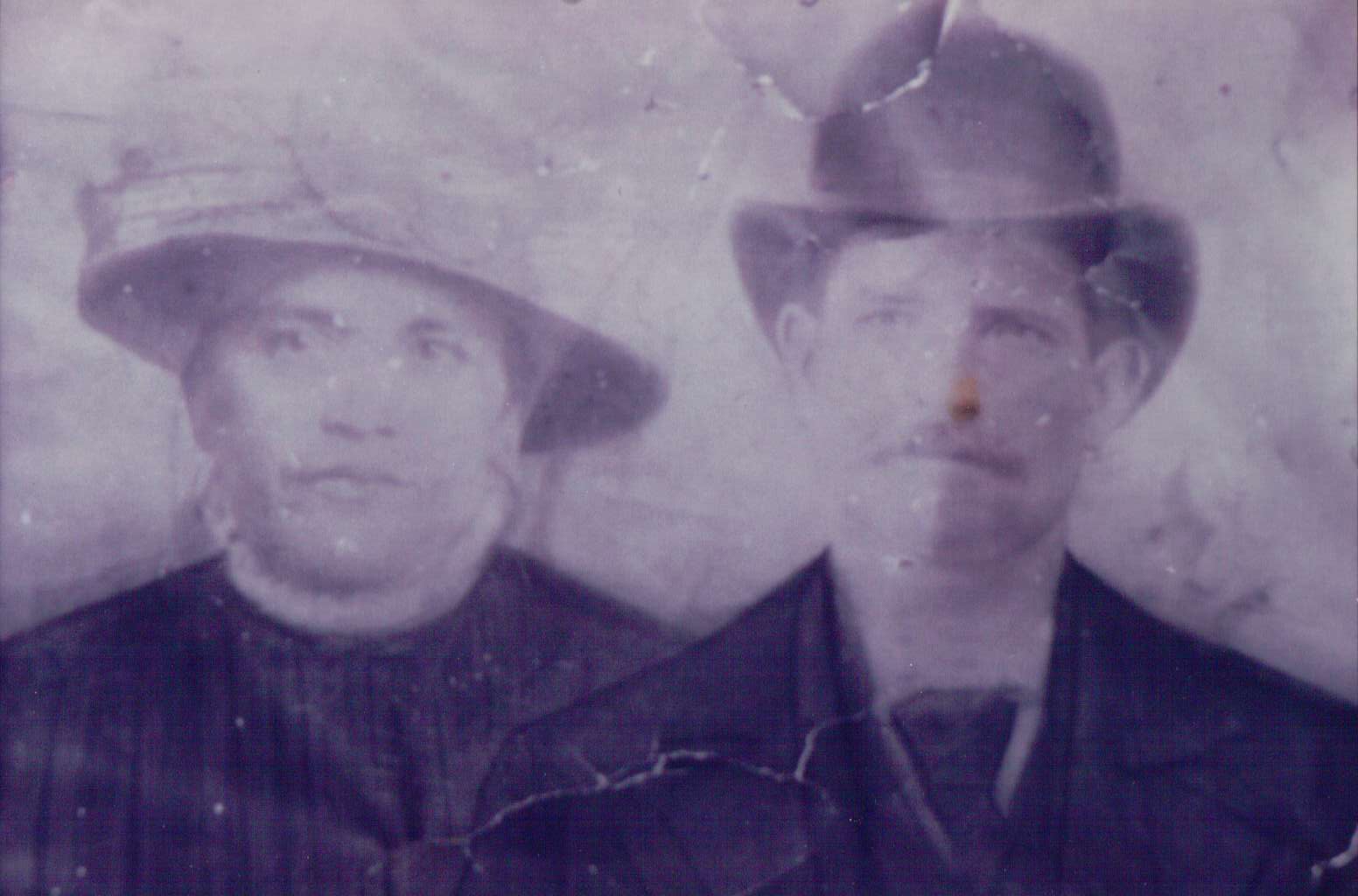
Josephine and Francesco Arcuri, my great-grandparents from Calabria

Tracing Italian ancestry can be a challenge, and records online for genealogy in the Italian South are sparce. The subscription research website Ancestry.com recently added new records for Italian genealogy in America: records from the Sons of Italy (Order of the Sons of Italy in America, or OSIA). These new records are added to others already on Ancestry, which include civil registrations (birth, marriage, death) from several cities in Sicily, and a few southern cities on the mainland.

An internet search turns up thousands of references to Italian genealogy, and connecting online is a great way to pool research efforts with distant family members. I’ve recently been corresponding with a distant cousin across the country who is digging into our Italian roots. I’ve been able to share results of my past research, even though I am not actively researching at this time.

Who would have imagined a few years ago that today we would have a television series dedicated to genealogy? A couple of episodes of “Who Do You Think You Are?” may set your own genealogical wheels in motion to learn more of your heritage–whether it is Italian or not. And this week PBS launches a new series by Henry Louis Gates called Finding Your Roots. His previous shows, African-American Lives and Faces of America are available for viewing online at PBS, and might stoke the fires of your own search for your roots.