Book Review: Tino and the Pomodori

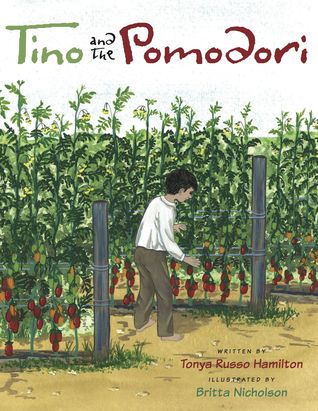
Tino and the Pomodori coverTino and the Pomodori by Tonya Russo Hamilton builds an engaging children’s story around the growing, harvesting, selling, and eating of home-grown tomatoes. Equally engaging is the introduction of simple words and phrases in Italian.

Tino works eagerly with his grandfather to plant and tend their tomato garden. The life cycle of tomatoes is described in the course of the story, from planting seeds taken from the previous year’s tomatoes, to celebrating the harvest at the end of the season. Hamilton takes a more practical than scientific approach to growing tomatoes, so don’t expect a botany lesson–but sit back and enjoy Tino’s excitement, and the loving guidance of his grandparents, as they grow and eat their delicious pomodori.

The watercolor illustrations by Britta Nicholson are simple and rustic, suited to the story. The book is just out this month (June 2014) from Gemelli Press, and would make a lovely gift for a budding gardener or a young Italophile-in-training.

This is Hamilton’s second book. She wrote Wrestling with the Devil with her father, a memoir of his immigration from Italy and wrestling/coaching career. See my review here. Tino and the Pomodori is also adapted from her father’s early life in Italy.
Capodimonte porcelain–a royal tradition from Naples

In the early 1700s, porcelain produced at Meissen became all the rage in Europe. The King of Naples and Sicily, Charles VII, married Maria Amalia, whose grandfather Augustus II of Poland had founded the Meissen factory, the first hard-paste porcelain factory in Europe.

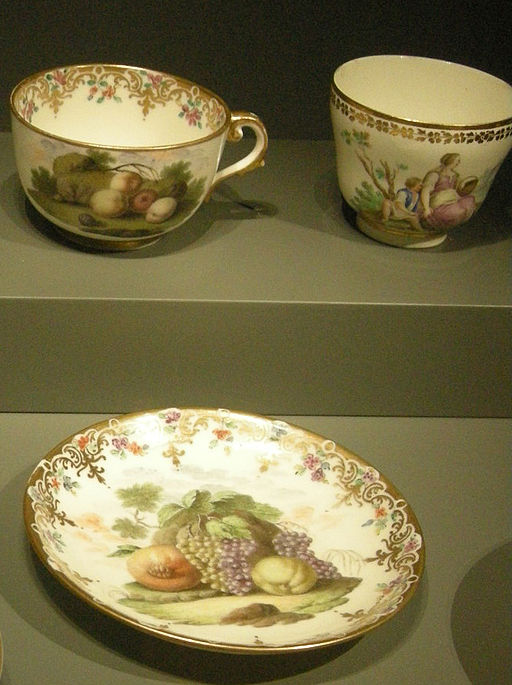
18th c. Capodimonte porcelain examples from the National Gallery of Victoria (Australia). Photo: by Sailko, from Wikimedia Commons.

18th c. Capodimonte porcelain examples from the National Gallery of Victoria (Australia). Photo: by Sailko, from Wikimedia Commons.

Pursuing his interest in the art, Charles VII founded the Capodimonte (top of the mountain) Porcelain factory in Naples in 1743. Production was well under way when Charles’ father, the King of Spain, died in 1759 and Charles took the Spanish throne and left the throne of Naples to his son Ferdinand. Before he left, however, he ordered the porcelain works demolished, and took the molds with him to Spain to found another factory there.

Ferdinand IV wasn’t so easily dissuaded–he had come to appreciate the porcelain art himself, and re-established the Capodimonte factory in 1772.  The detailed history (some found here) is more complex and involved a lot of experimentation with the porcelain “recipe”, hiring of various artists, chemists, directors, and so forth, and the establishment in Naples of an art academy.

Elaborate bisque figures, "The Triumph of Bacchus" from the Capodimonte Museum in Naples. Image from Wikimedia Commons.

Elaborate bisque figures, “The Triumph of Bacchus” from the Capodimonte Museum in Naples. Image from Wikimedia Commons.

Ferdinand was soon embroiled in Napoleon’s schemes for Italy, (I’ve posted about that before) and production of the royal sponsored Capodimonte porcelain ceased around 1818. The factory was purchased by Claudio Guillard and Giovanni Tourne, who continued to used the same mark as the royal factory. In 1834 the company was purchased by a Florentine, and about 1896 they combined interests with the Societa Ceramica Richard of Milan. They continue to produce porcelain in the Capodimonte style, and the style is widely copied today.

The Judgement of Paris, now in the Capitoline Museum in Rome. Colorful and elaborate figures typically linked with Capodimonte style. Image from Wikimedia Commons.

The Judgement of Paris, now in the Capitoline Museum in Rome. Colorful and elaborate figures typically linked with Capodimonte style. Image from Wikimedia Commons.

Most of the 18th century products are in museums or collections of the wealthy today. Are you interested in buying some later pieces? Here are some listing from Ebay.com. Some claim to be 19th century pieces, and others are newer.

QUESTION: What is your favorite art or craft from southern Italy? Please comment!

Ravello Concert Society: Classical music on the Amalfi Coast

The terrace at Villa Cimbrone. Image from Wikimedia Commons.

The terrace at Villa Cimbrone. Image from Wikimedia Commons.

On a hilltop just a few kilometers from Amalfi, the town of Ravello has long been a haven for musicians, artists, writers, and actors. Founded in the 5th century, Ravello was named a World Heritage Site in 1996.

How did I miss it!!??

Although Ravello is linked with some very big names in the arts–Boccaccio, D. H. Lawrence, Greta Garbo, Tennessee Williams, Paul Newman–but perhaps the most enduring connection is with the composer Richard Wagner. Villa Rufolo (built in the 13th century) inspired Wagner for the stage design of his opera Parsifal.

The garden at Villa Rufolo.

The garden at Villa Rufolo.

Wagner’s music continues to anchor the festival music of Ravello, as it has for more than 60 years, but a wide variety of classical music is included in the programs these days.

The Ravello Concert Society’s website is worth a visit–and turn on the sound! You will enjoy the classical music as you browse the wealth of photos and information they provide, including details of the coming performances and links to purchase tickets.

The Ravello Festival website includes additional performance information–though not all of it is in English.

The pulpit in Ravello's Duomo.

The pulpit in Ravello’s Duomo.

Performances are offered throughout much of the year in historic villas, gardens, and on a spectacular concert stage overhanging the sea.

Looks like another destination to add to my travel wish list.

Are ‘pasta’ and ‘gluten-free’ compatible? Yes!

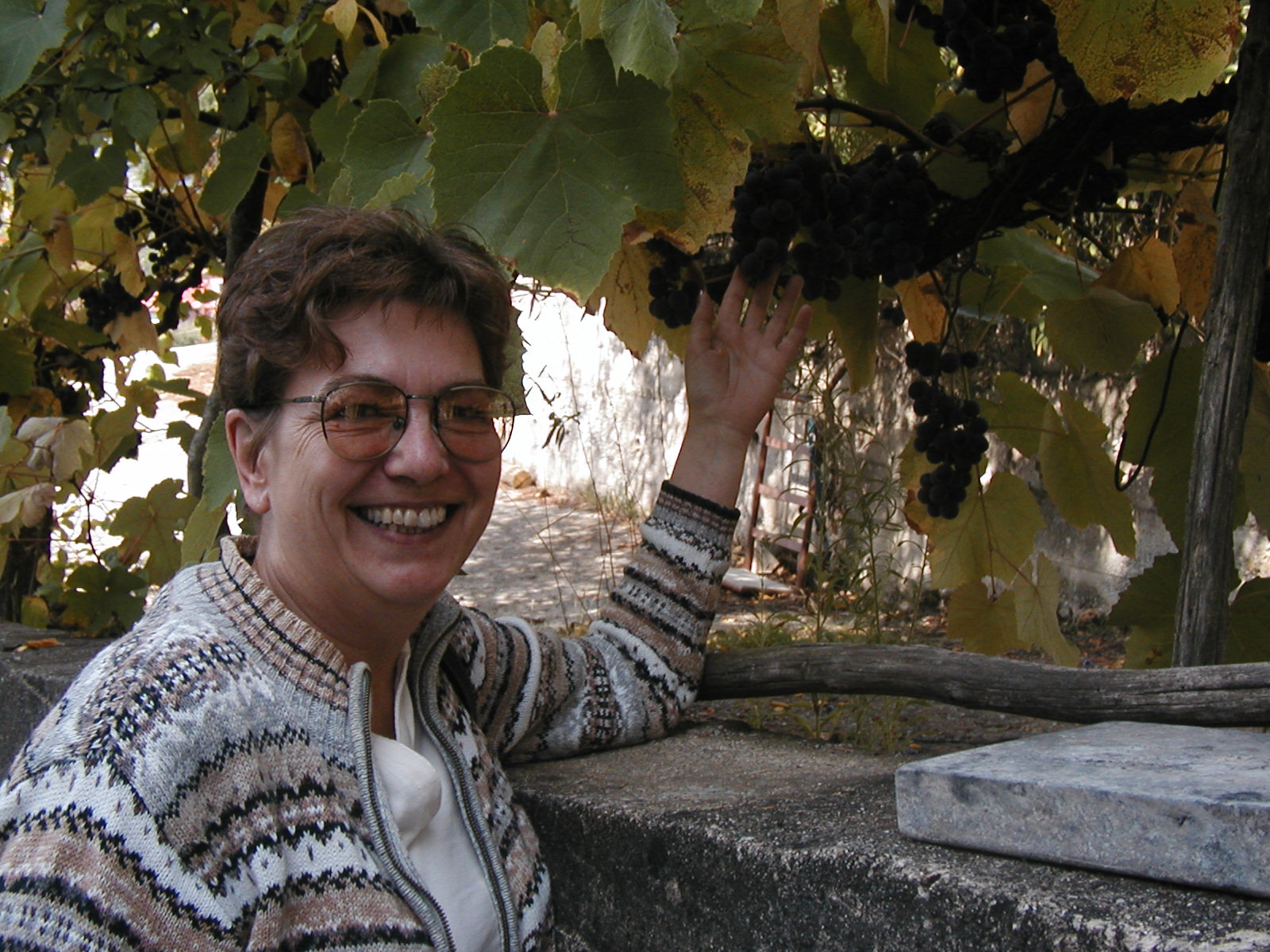
Marlie Johnson, 2004, in Calabria.

Marlie Johnson, 2004, in Calabria.

Today I’m welcoming my sister, Marlie Johnson, to the blog with a food post on eating gluten-free and Italian:

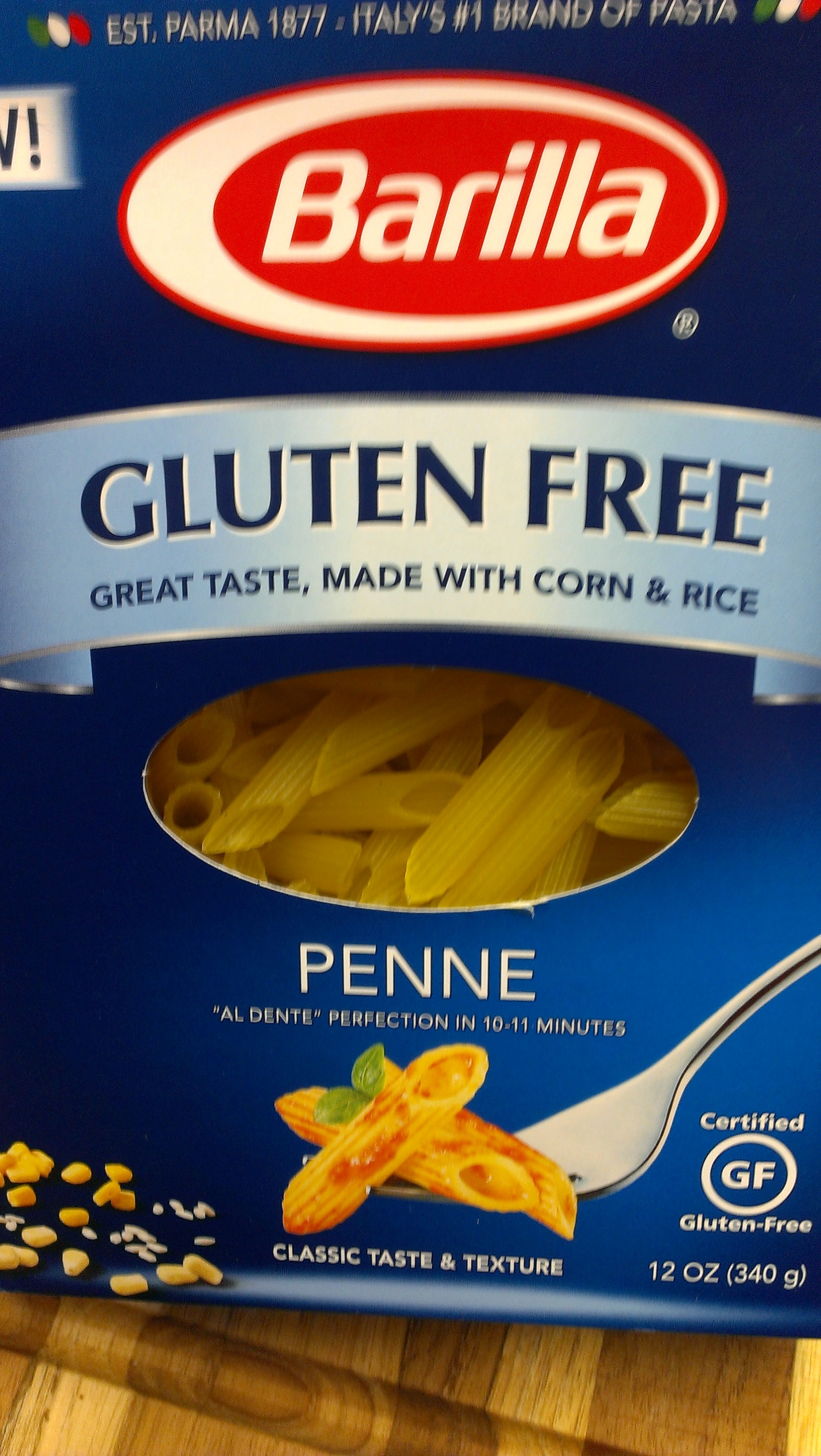
One of the best things about being part of a family with Italian roots has to be the food.  Pasta, pizza, pastries! These have been staples on the table my entire life… until about a year ago.  I was diagnosed with an allergy to wheat!  That explained a lot of problems I had been having, but it also caused havoc with my diet. After a lot of research, I decided it was easier to go gluten free than try to avoid just wheat.  Then I found that gluten free is not the tastiest.  I found a few gluten free pastas, but they didn’t taste very good.  I was very surprised when I found two companies in Italy who were making gluten free pasta, and it is good!   They are Delallo and Barilla.  Between the two, there is a great variety of pasta, including penne, spaghetti, orzo, shells, and fusilli – these are the ones I have found so far.Marlie-4

The most important lesson I have learned for cooking gluten free pasta is to not overcook it AT ALL.  It will turn to mush.   If you are going to add the pasta to a sauce and bake it, then stop cooking it about a minute before the directions for al dente – it will finish cooking while baking, and be perfect.

Here is a recipe that I have used gluten free penne in, and it turned out great.  I had it “taste tested” by people who only eat gluten free, and several who eat anything!  They all said it was really good, and asked when I was going to make it again.

Here is the original recipe (what I changed follows):

1 lb hot Italian sausage links                    1/4 cup chopped fresh basil leaves

1 (16 oz ) package of rigatoni                   2 cloves garlic, minced

1 (24 oz) jar of marinara sauce                 salt and pepper to taste

1 bulb fennel, trimmed, thinly sliced       1 cup shredded Monzzarella

1/2 cup grated Parmesean                           1 roasted red bell pepper, chopped

1/2 cup grated Asiago                                  1/2 med. yellow onion, chopped.

Preheat oven to 350 F.  Bring a large pot of lightly salted water to a boil, and cook pasta until almost tender, about 10 minutes.

Cook the sausage in a large skillet over medium heat, turning frequently, until cooked through.  Remove from skillet, cool, and cut into slices.  Add the garlic, fennel and onion to the skillet and season with salt and pepper.  Cook for about 5 minutes, then add the roasted red peppers, basil and sausage and the marinara sauce.  Heat through over low heat until warmed.

Marlie-2

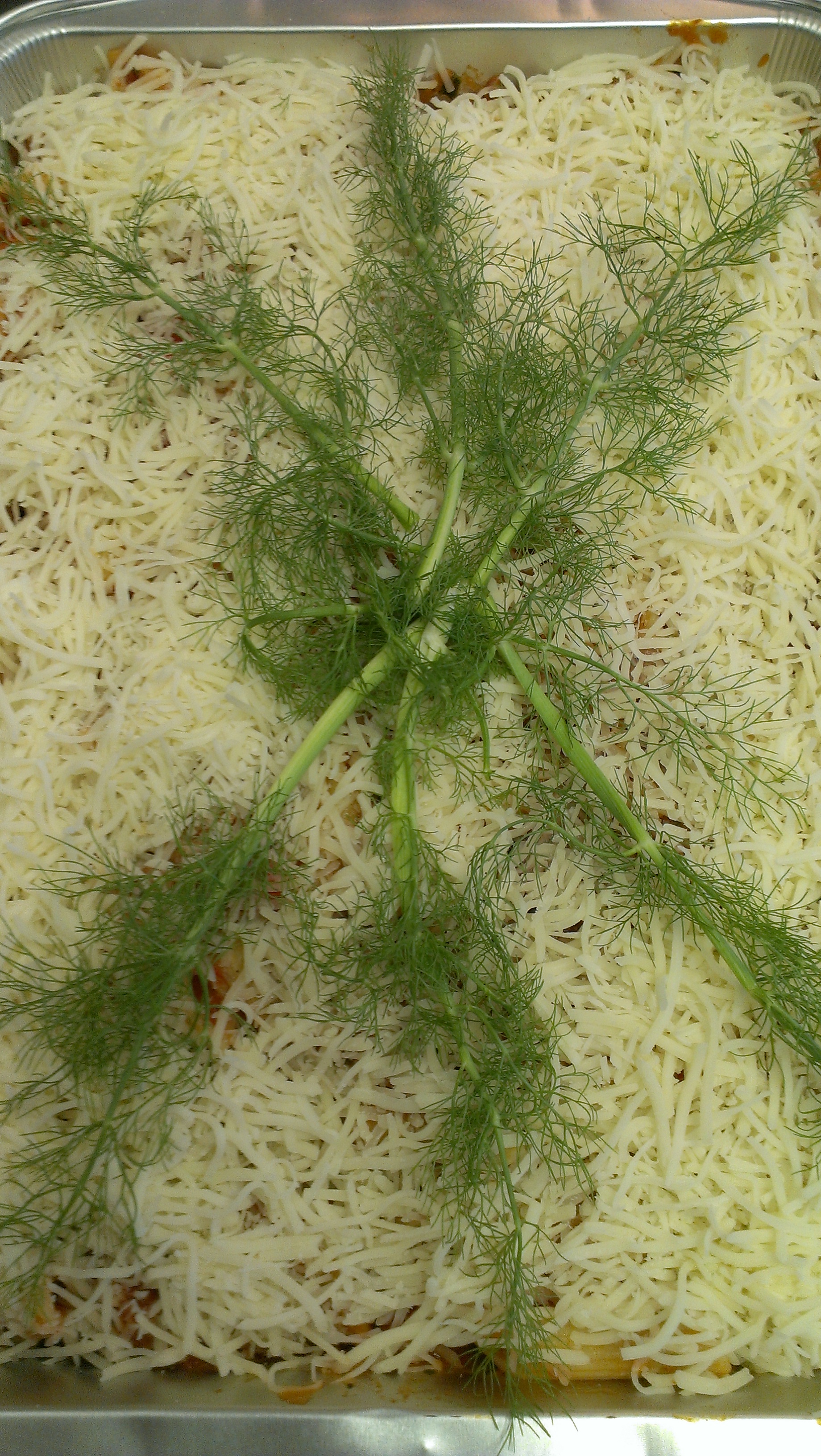
Ready to bake…

Combine the pasta with the sauce and vegetables in a 9 x 13 baking pan.  Spread the cheeses on top.  Garnish with a few fennel leaves.  Cover with foil and bake for 30 minutes, then remove the foil and broil for 5 minutes, or until the cheese is lightly browned.

The changes I made are:

I used bulk sausage instead of links.

I used Barilla Gluten Free Penne Pasta, and cooked it one minute less than the package called for al dente.

I cooked the vegetable for about 10 -12 minutes, until the fennel was almost fully cooked.

I did use a jar of marinara… (sorry, Grandma)

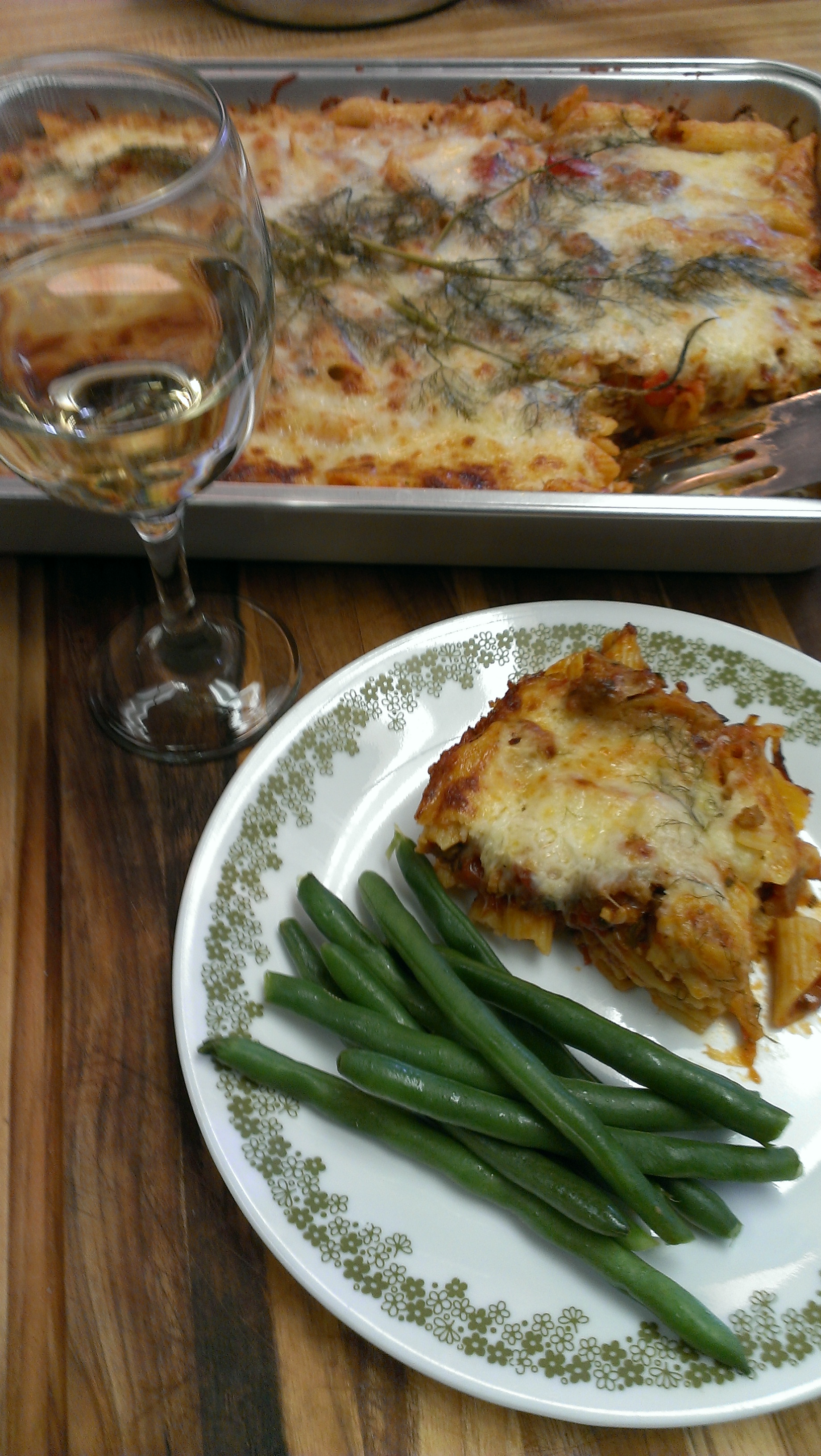
…. and ready to eat!

Would I change anything else the next time I make it?  I would try it with sweet Italian sausage, or an equal mix of hot and mild.  It had great flavor, but it was spicy hot!  For me this one is a keeper, and I will make it gluten free for everyone who is coming to dinner!

Serve with salad, or a green vegetable, garlic bread and your favorite wine.  Watch salad dressings for gluten…it hides in all kinds of condiments!  You can make croutons and garlic bread from gluten free bread.   Rudi’s brand bread is the best I have found.  It is good for French toast ….if you want to send your taste buds a little farther north in Europe!