Gaeta and tiella!

Tiella!

Tiella!

Thanks to my Facebook friend Nicola Tarallo, Vern and I enjoyed a fun afternoon in Gaeta, Nico’s home town and home of the savory pie called tiella. Through his website and books, Nico is doing all he can to put Gaeta on the map and tiella in your kitchen.

After corresponding via Facebook off and on for a year or so, I was happy to stop in Gaeta and finally meet Nico in person. Vern and I visited Gaeta several years ago, but this time we had a one-man public relations firm showing us around. We strolled along the oldest street in the original townsite listening to his steady patter of details about the history and life of Gaeta. Nicola studied English in Washington state (where I now live).

Gaeta 3 (768x1024)Our first stop was a tiella bakery, Antico Forno Giordano–in business more than 120 years according to their sign. There was a line out the door when we arrived–always a good sign for any food place, right? Inside, Nico introduced us to the baker, explained the different kinds of tiella, and we had a photo op with the baker.

Nico, me, and the baker.

Nico, me, and the baker.

We bought four different types of tiella, 1/4 of a pie each, for Vern and I to have a late lunch. Octopus tiella? We thought we should try it, even though neither of us is big fans of octopus. Next, escarole tiella. That’s right, not just a fluffy addition to your salad, escarole is often cooked in Italian dishes, which reduces the slight bitterness. Next, zucchini and onion tiella. Yummy! The fourth, I think, was eggplant–more delicious flavors!

But before we tasted any of them, Nico asked what we’d like to drink with our lunch. Wine! (What else?) He led us down a side street (more like a little alley) to what looked like the back door of a shop, where a couple of men were busy working. In a blur of Italian he conveyed our request, and they invited us to step inside. On a waist-high shelf, four giant vats of wine awaited bottling as the need arose. We were offered tastes, and made our selection. Grabbing an empty (previously used) liter bottle, the younger man began filling it for us, but the older stopped him when he saw Vern taking a photo. He called me over, put the bottle in my hand and invited me to open the tap myself for the picture you see here. Oh, the price? About two bucks.

The wine shop.

The wine shop.

We’d parked near a park, and decided to head back there to eat, hoping to find a dry spot after a rain squall passed through. But along the way, Nico took us into his favorite pizzeria: Pizzeria Rustica. Another line out the door, even longer this time, but moving quickly. Inside, three or four men with cleavers hacking large square pizzas into pieces to sell. If I had a video, it would be a blur with the activity going on back there! Unfortunately, we had more than we could finish with the tiella, because I would love to have tried some of the great looking pizza too.

At Pizzeria Rustica, where hunks of pizza were flying out the door!

At Pizzeria Rustica, where hunks of pizza were flying out the door!

We did find a park bench, and continued to visit with Nico. He’s excited about a new Russian translation of his cookbook, Mangia Tiella! which is already available in English and Spanish. He has written a travel guide to Gaeta, and hopes to publish more books in that vein. You can also find him on Facebook.

Vern and I continued down the road to Caserta, still feeling the buzz of energy from Nico’s enthusiasm for his home town.
“First mother of Italian cooking in America”

That’s how one New York food expert described Marcella Hazan, whose six cookbooks are prized classics of Italian cooking and eating.

Thank you, Marcella, and rest in peace.

Readers, enjoy this New York Times story about Marcella.

http://www.nytimes.com/2013/09/30/dining/Marcella-Hazan-dies-changed-the-way-americans-cook-italian-food.html?smid=fb-nytimes&WT.z_sma=DI_MHC_20130930&_r=0

Favorite day in Venice: Brenta Canal

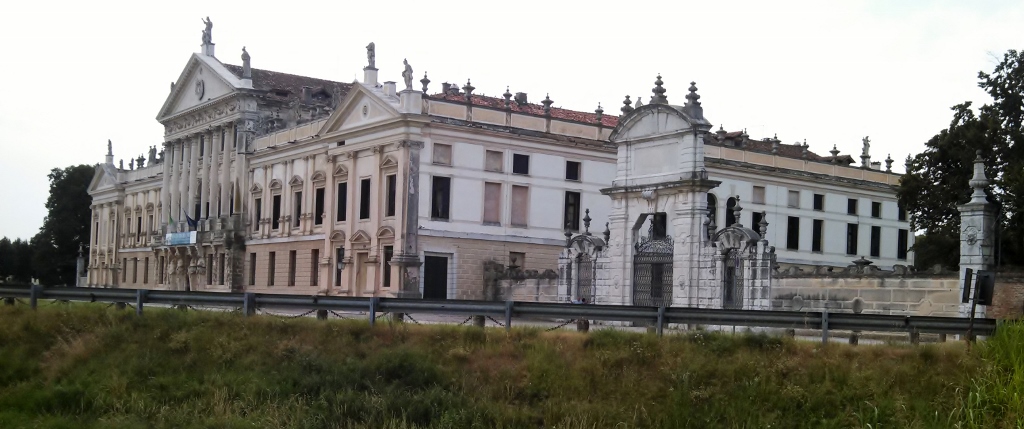
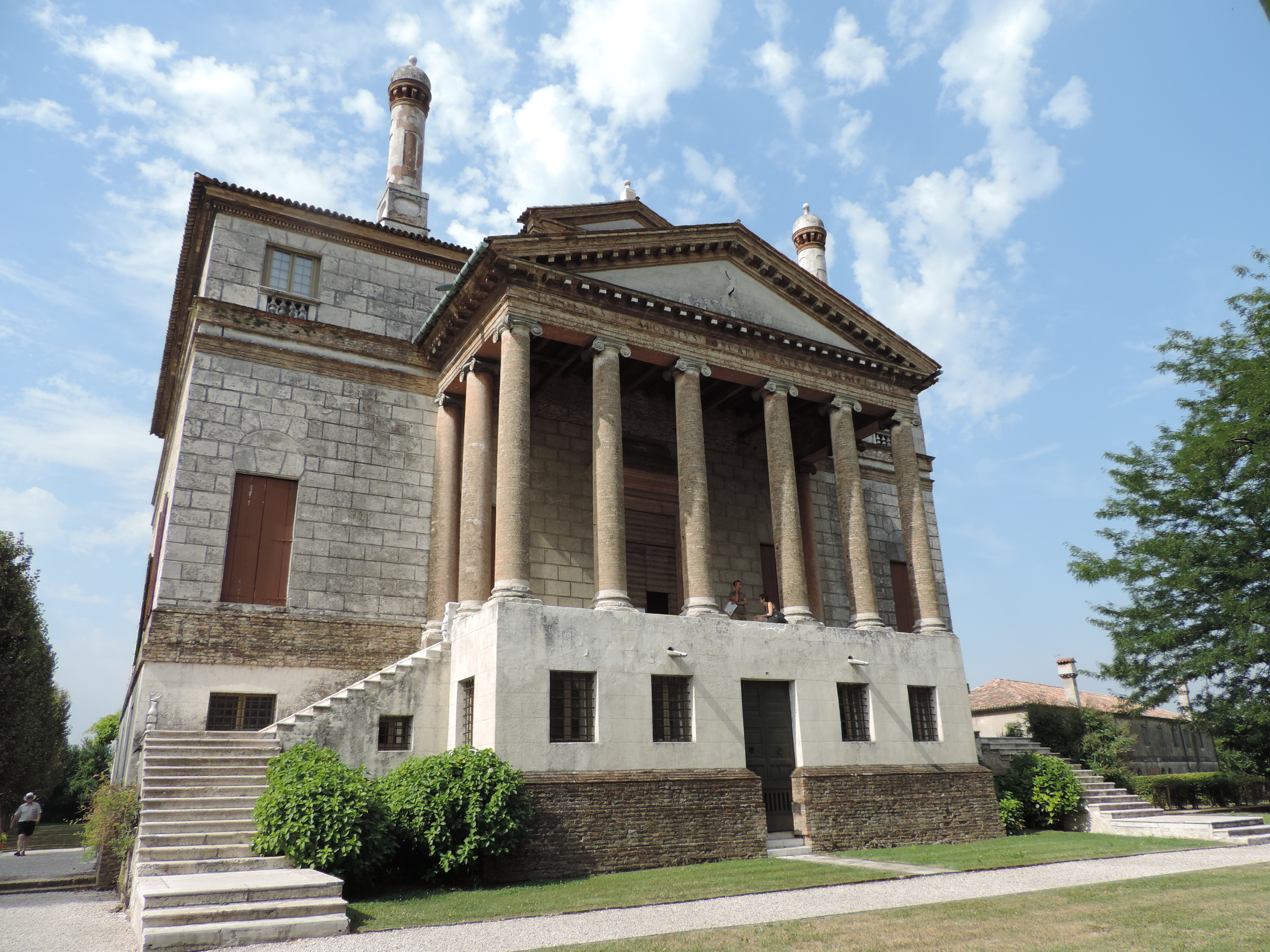
La Malcontenta, designed by Palladio.

La Malcontenta, designed by Palladio.

Not really in Venice. Not really a canal. But a really great day of relaxation and effortless sightseeing!

Cruising past an open bridge on the Brenta Canal.

Cruising past an open bridge on the Brenta Canal.

I found the website for Il Burchiello while searching for how we’d spend five days in Venice with another couple, longtime friends of ours. It looked so relaxing, motoring along in an air-conditioned modern boat, stopping along the way for three villa tours and a lunch, then back from Padua at the end of the day on the train or bus.  Il Burchiello lived up to its claims, and the tour guide and boat staff were accommodating and informative. In four languages!

Turtles and ducks along the river.

Turtles and ducks along the river.

The boat has a capacity for 110 passengers, but we had only about a dozen on board the day of our tour. This added to our comfort with a sense of “private” touring, and we were able to get acquainted with some of our fellow travelers. In addition to the air conditioned cabin with a mini-bar selling espresso, various drinks, and snacks, the upper open-air deck provided ideal viewing of the dozens of villas along the canal, most built in the 1500s to 1800s.

We boarded the boat along the waterfront not far from Piazza San Marco, and soon were motoring across the lagoon. The Brenta “Canal” is actually a natural river. We entered the river in an industrial area, but soon came to the first of five locks and several swinging bridges. These were interesting, but the main attraction for me was seeing so many villas, and being able to tour three of them. My love affair with castles and palaces began in childhood, and these villas, the summer homes of the wealthy Venetians, played to my heart. Brenta-Malcontenta2

Lunch along the way was not included in the cost of the tour, and the four of us opted for the “light” lunch, sandwiches, drinks, and a snack. A bit overpriced, but the restaurant was comfortable and clean. They offered a full seafood lunch, and the one passenger who ordered that seemed happy with it.

After touring the third villa, in the late afternoon, we were still 90 minutes from Padua. Our guide offered us the option of returning by Venice by bus from there, rather than going on to Padua and having a longer trip back. Several of us found our way to the bus, and rode back to Venice a little earlier than we had planned. We were very refreshed, and ready to hit the more active sightseeing circuit the following day–our last full day in Venice.

I’ll let the photos tell the rest of the story, and I encourage anyone who needs a day out of the crowds in the city to book a river cruise on Il Burchiello.

Villa Widmann, with gardens full of statuary.

Villa Widmann, with gardens full of statuary.


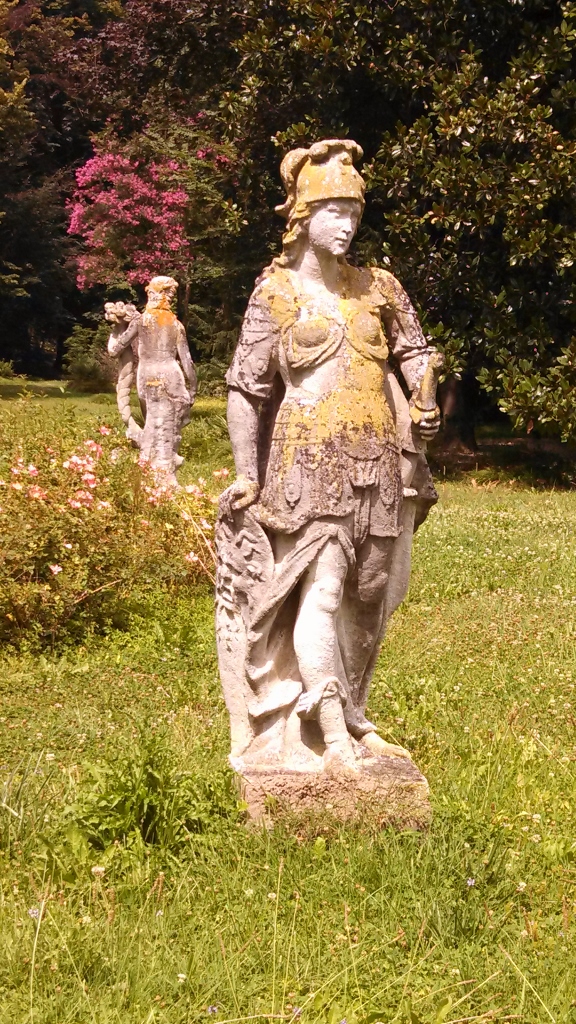
Statues in the pleasure garden at Villa Widmann.

Statues in the pleasure garden at Villa Widmann.

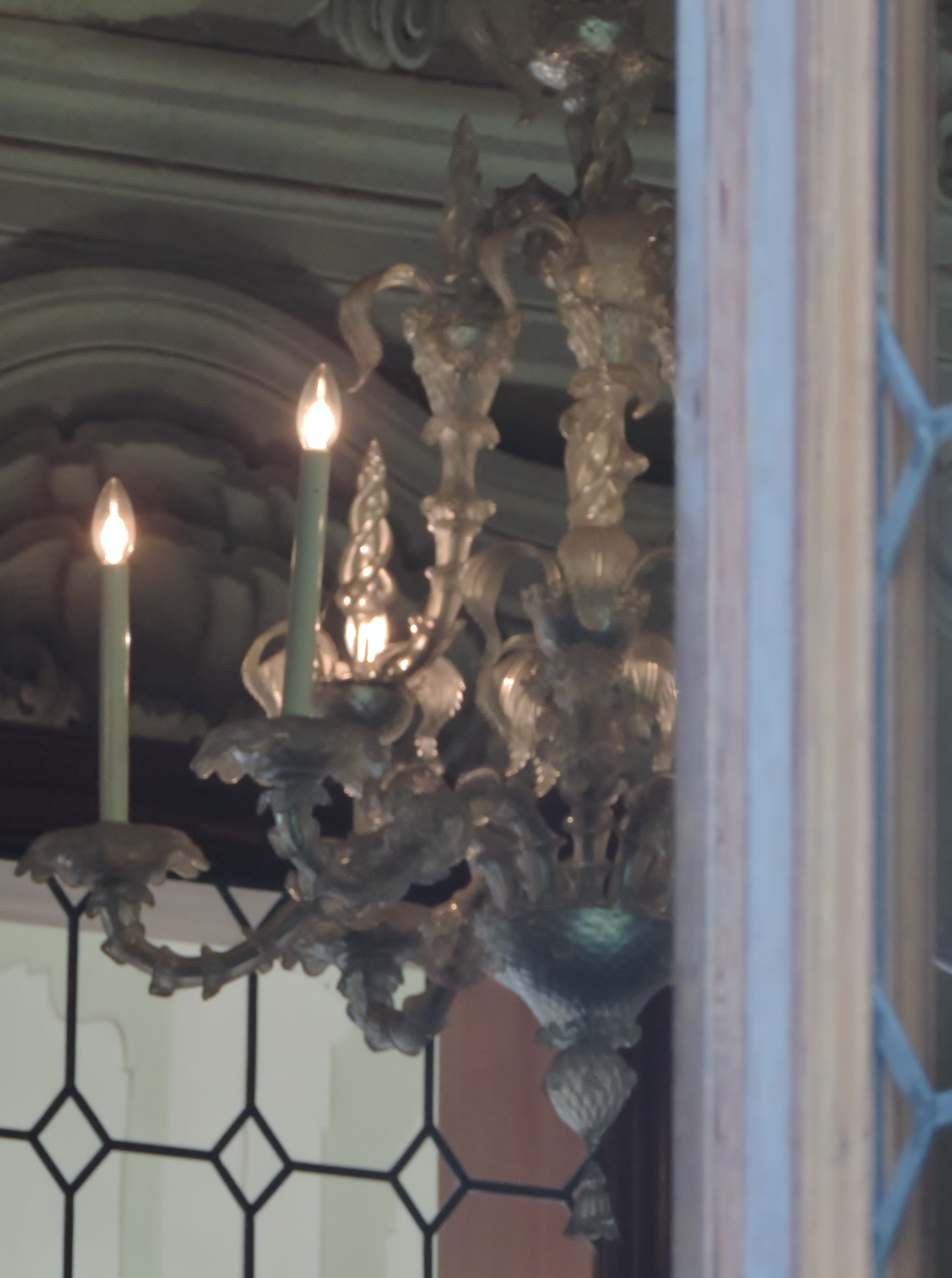
An original Murano glass chandelier at Villa Widmann.

An original Murano glass chandelier at Villa Widmann.


Not Villa Pisani--only the stables!!

Not Villa Pisani–only the stables

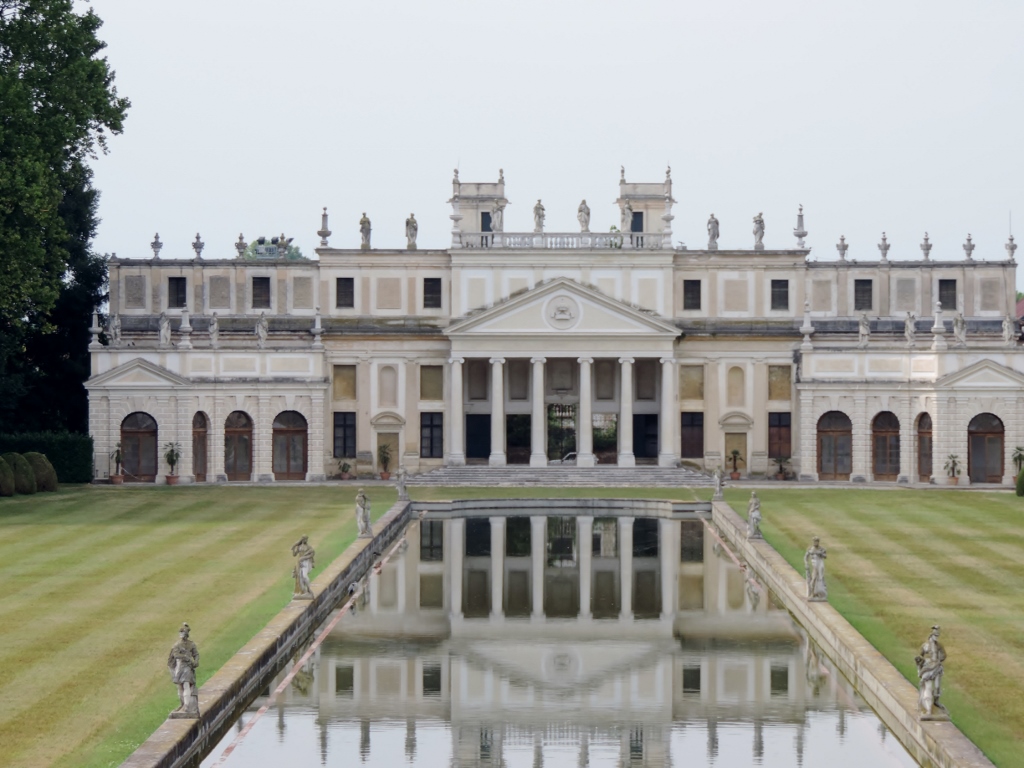
Villa Pisani. Hitler and Mussolini met here.

Villa Pisani. Hitler and Mussolini met here.

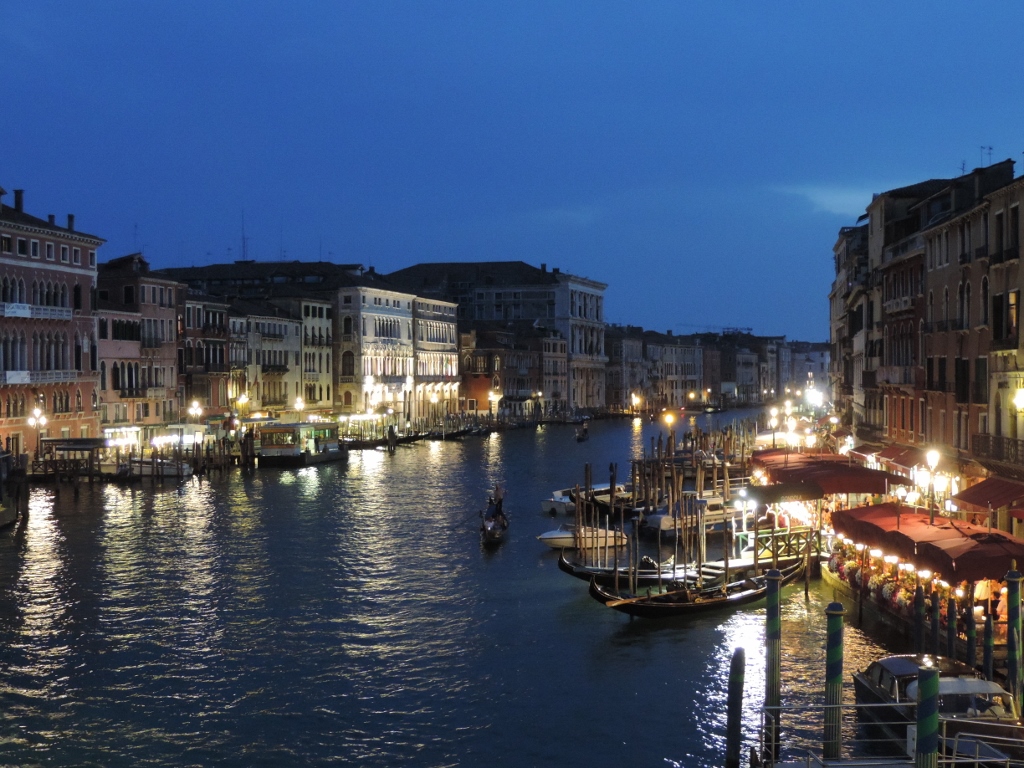
Gondola: An iconic image of Venice

Gondola: An iconic image of Venice

Gondolas at rest

Gondolas at rest

I read somewhere that in 1600 there were 10,000 gondolas in Venice. They made up the entire complement of private transportation, delivery wagon, garbage truck, and most other vehicles you think of as part of everyday travel within a city.

Today, there are a few hundred. They are a tourist business, no longer part of the ordinary life of Venetian citizens. Venice is like that, a city capitalizing on her history, her glorious past, for those of us who find it intriguing and romantic. Tourism with this intensity changes a place. Instead of neighborhood grocery stores, butcher shops, and stalls, the shops are filled with masks, Murano glass, and souvenir t-shirts, hats, shopping bags. One friend likened it to a theme park, a kind of Disneyland, where everything you see seems to be there for the benefit of paying tourists. And a theme park is not like a real city where people live, work, raise families.

Most telling to me was an early morning walk around the Piazza San Marco and then through the neighborhood to the south. We saw almost nobody hurrying to work, no corner bar where people scanned the paper with their morning espresso before starting the day. These were images we had seen over and over again in the non-tourist towns. Not here. We saw a couple of men sweeping the piazza–plastic and glass bottles, wrappers from ice cream and candy, the litter of thousands of tourists. Nobody walking the dog, nobody taking the children to school. In fact, we saw almost no children except occasionally the overheated, oversugared children of tourists.

But I was talking about gondolas. Along the canals there are gondola stands, like waterborne taxi stands, with gondoliers in their striped shirts. Some call out, “Gondola, gondola,” hoping to hustle up business. Others lean against a wall, smoking or reading the paper, but keeping one eye on passers-by for signs of interest. I didn’t hear any of them singing.

We had a conversation with a girl from a family of gondoliers, and when my husband sang the first few notes of “O Sole Mio” she cringed. “That’s a song from Naples. People always sing songs from Naples here,” she added with disgust. When I asked what would be a good Venetian song to sing, she just shrugged, leaving me to think that singing gondoliers were just a myth, another aspect of them park hype.

Though their numbers are shrinking, you just can’t see a gondola without thinking of Venice. Here are some images to bring Venice to mind today.

The Venetian taxi stand.

The Venetian taxi stand.


Waiting for a fare.

Waiting for a fare.

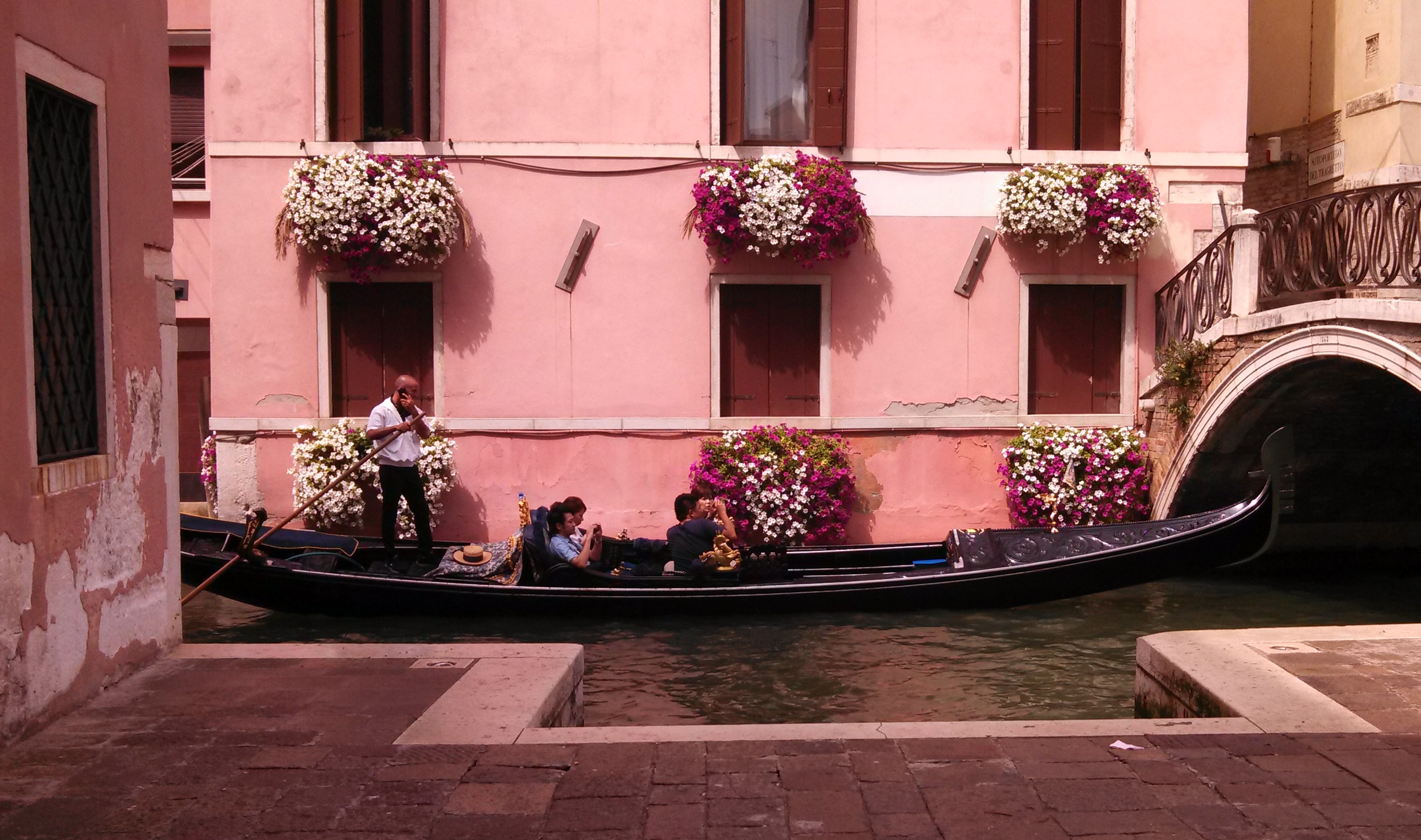
Gondolier with cell phone.

Gondolier with cell phone.

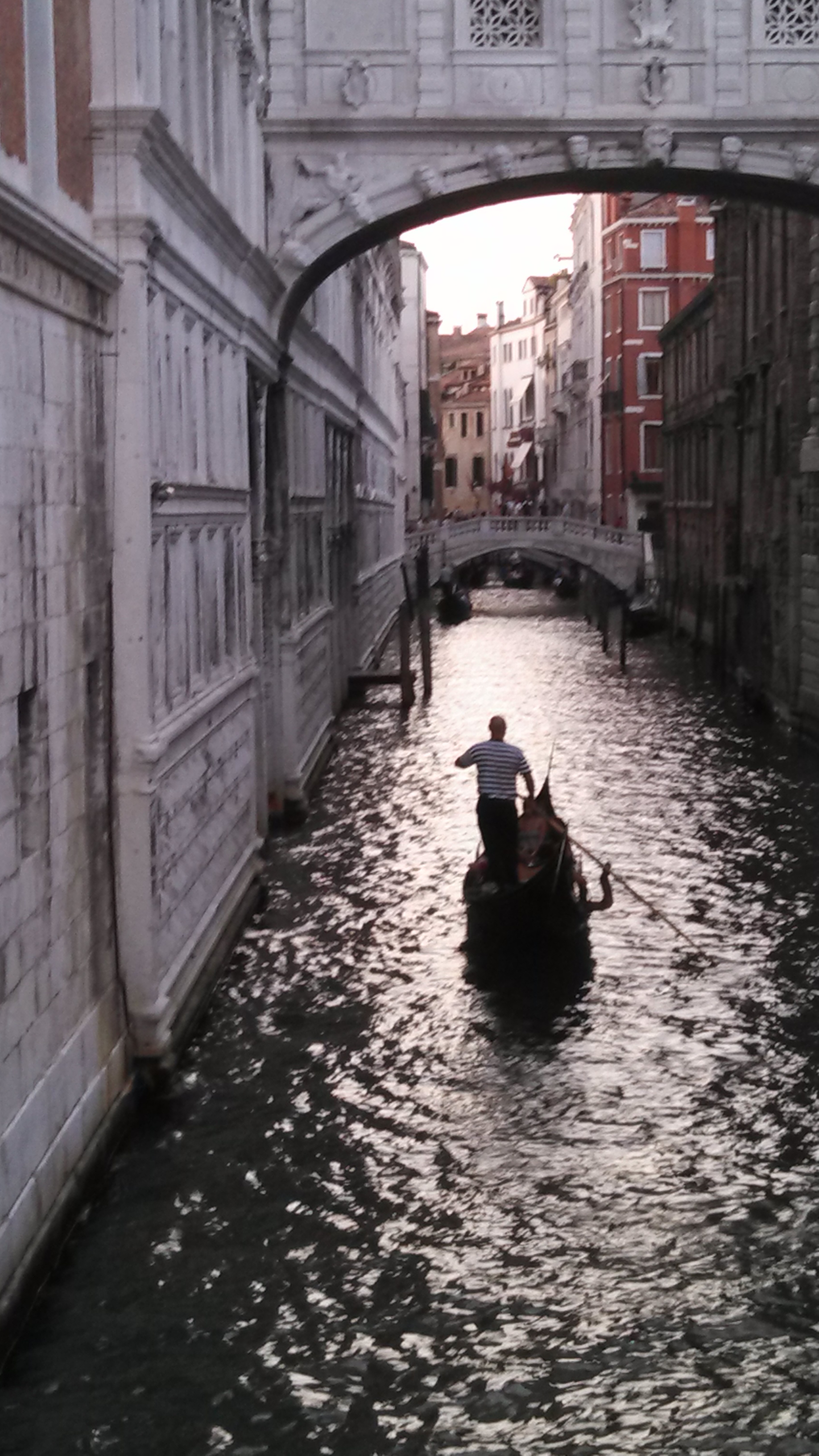
A gondola under the Bridge of Sighs

A gondola under the Bridge of Sighs


Even More Fichissimo

Fig lovers, here’s a great post from nuovastoria. I’m so jealous of all those figs!!!

nuovastoria's avatarnuovastoria

It’s safe to say that we are awash with figs. Purple figs, green figs, figs as big as your fist and figs that are so ripe they are fairly bursting out of their skins. There are so many figs in the countryside here, they’re not even for sale in the market. Everyone seems to have access to someone else’s harvest. And they just keep coming and coming. Serious measures are required.

View original post 1,425 more words