Calabria from a bicycle

Today I’m sharing a video I found on YouTube, the bicycle tour of a British guy named Pete, through Calabria. I encourage you to take a look for more of his videos–a nice combination of video footage, his own commentary, and some stills edited in. If you’ve considered cycling through Calabria, Pete’s experience may help you prepare. And if you celebrated Thanksgiving yesterday, you may be inspired to bicycle your way through some of those calories!

Food confession!

Brace yourselves, because here it comes: I don’t really like gelato.

I know it’s a heretical view–my Italian blood must be too thinned out by mixing with English, German, and miscellaneous other roots.

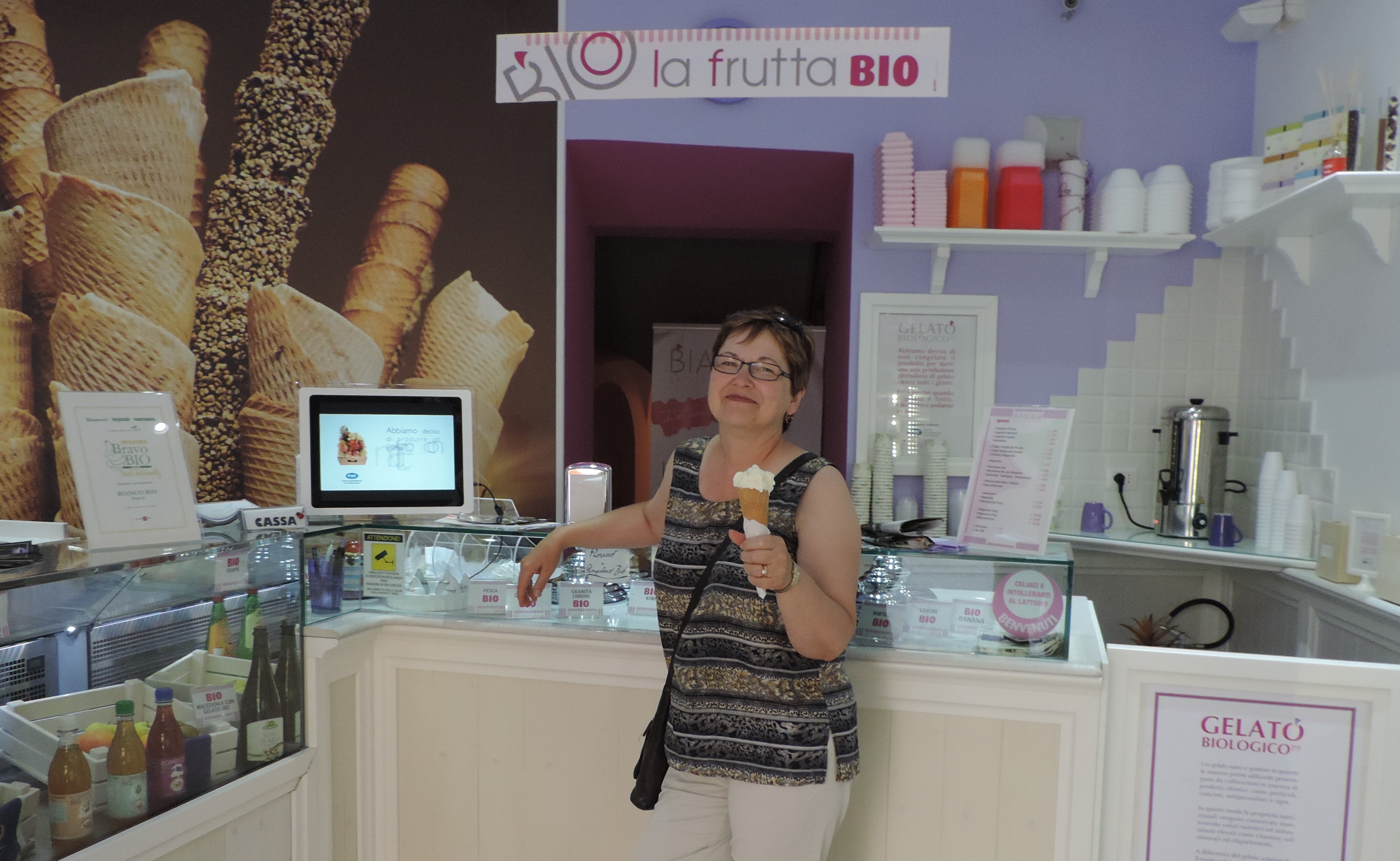
Caserta gelatoBut we were encouraged by my friend Nicola in Gaeta, to stop in at his cousin’s gelateria when we visited Caserta.  So we located Bianco Bio at Via Ferrante 38, just a few blocks from our hotel and right on the way to the royal palace. They sell organic gelato, a little pricier than the typical gelato, but my oh my! I ordered a coconut cone, and it was delicious!! Too bad we weren’t in Caserta longer–I’d have gone back for more. If you ever find yourself in Caserta–visiting the royal palace, maybe?–stop by Bianco Bio for a gelato treat.

Where are you from?

Italians have a long and strong memory of place. My family’s ancestral village is Scigliano, but my great-grandmother left there about 115 years ago. Only a handful of her hundreds of descendants have ever been there, and to my knowledge she never returned.

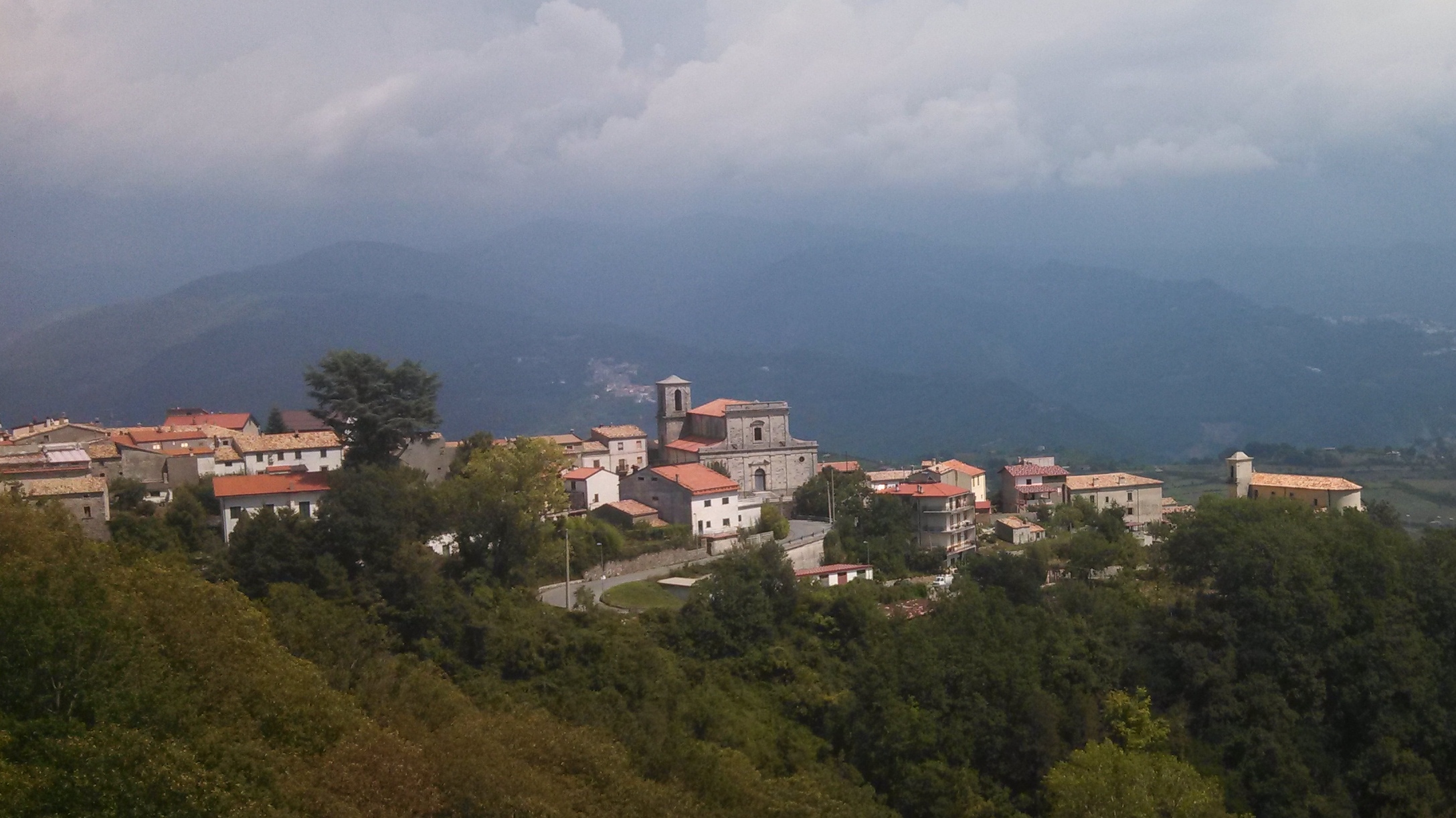
Malito, with the Sila rising in the background.

Malito, with the Sila rising in the background.

When we visited in August 2013, we found a vacation rental house in another small town about 30 minutes away, the town of Malito, across the Savuto valley, and across the A3 motorway. In Malito we wandered around the town, shopped in the local market, and had some beers in the bar to cool off.

The people were very friendly, always wondering why strangers have chosen to stay in their town, and we told them our ancestors came from Scigliano. Since we couldn’t find a place to stay in Scigliano, we stayed in Malito, and we would go to Scigliano to see our distant cousins there.

Several times, after explaining this, I heard the same comments among them in Italian: “Oh, they aren’t from Malito. They are from Scigliano.” Still friendly, but I could almost see their interest wane as they nodded knowingly to one another. They’re strangers, not our own people.

I translated for my husband and brother, and we thought it was funny that they considered us to be “from” Scigliano–a description I would apply to someone who had at some time actually lived there, but not someone three generations removed from that experience.

John, a native born man from Malito who moved to Canada with his family at 14, heard us speaking English as we walked around Malito and invited us in for a drink. John spends a few months every year, now that he’s retired, in a house inherited from his parents. His wife doesn’t come with him. She’s from Marzi, he explained. She doesn’t like to come and stay in Malito. Marzi is another small town across the motorway–about 25 minutes by car from Malito.

On our visits to Scigliano, when we explain our local heritage, we have been welcomed warmly by pretty much everyone, whether related to us or not. They also think of us as being “from” Scigliano. Their bright-eyed curiosity kindles, and they have more questions. It’s a very warm and embracing experience, the kind I wish for every visitor to an ancestral place.

A night in Agrifoglio

When we drove south to Calabria in August, we were hoping to get a room at the B & B we stayed in nine years ago in Scigliano–B & B Calabria.

What were we thinking? It was Ferragosto week, and our friend Raffaele could not accommodate us. He recommended another B & B, in a different part of Scigliano, the frazione of Agrifoglio. I didn’t know there was such a thing.

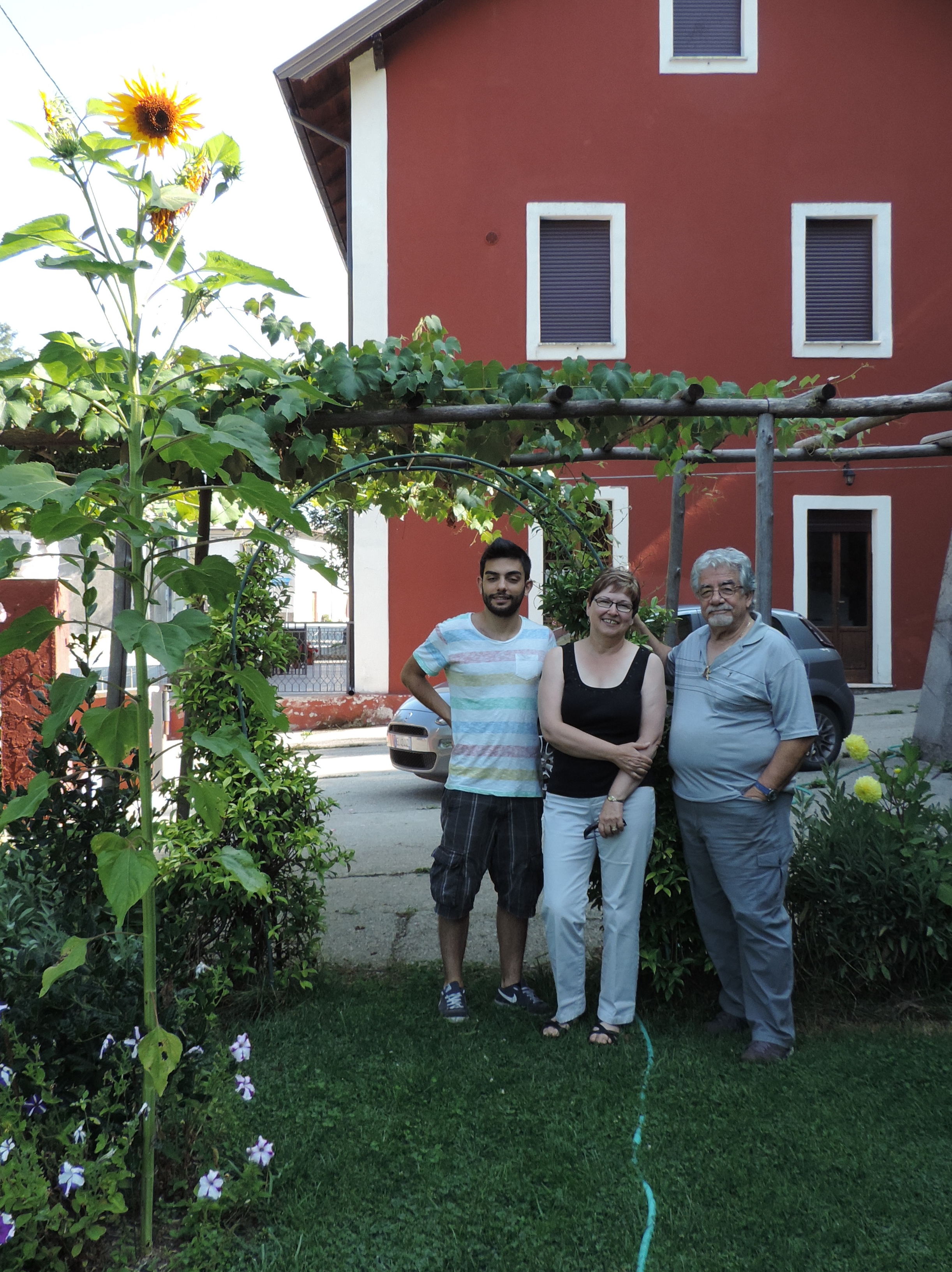
Valentino (left) and Mario de Rose welcomed us to the B & B Agrifoglio.

Valentino (left) and Mario de Rose welcomed us to the B & B Agrifoglio.

Agrifoglio is a tiny hamlet a little higher in the Sila foothills than Scigliano, and closer to the town of Colosimi. We took the road to Colosimi, and after a couple of phone calls to get directions from the Bed and Breakfast Agrifoglio, Valentino arrived at the old, now closed, Coraci railroad station, to meet us. From there we wound our way along the hillsides for the few miles to Agrifoglio.

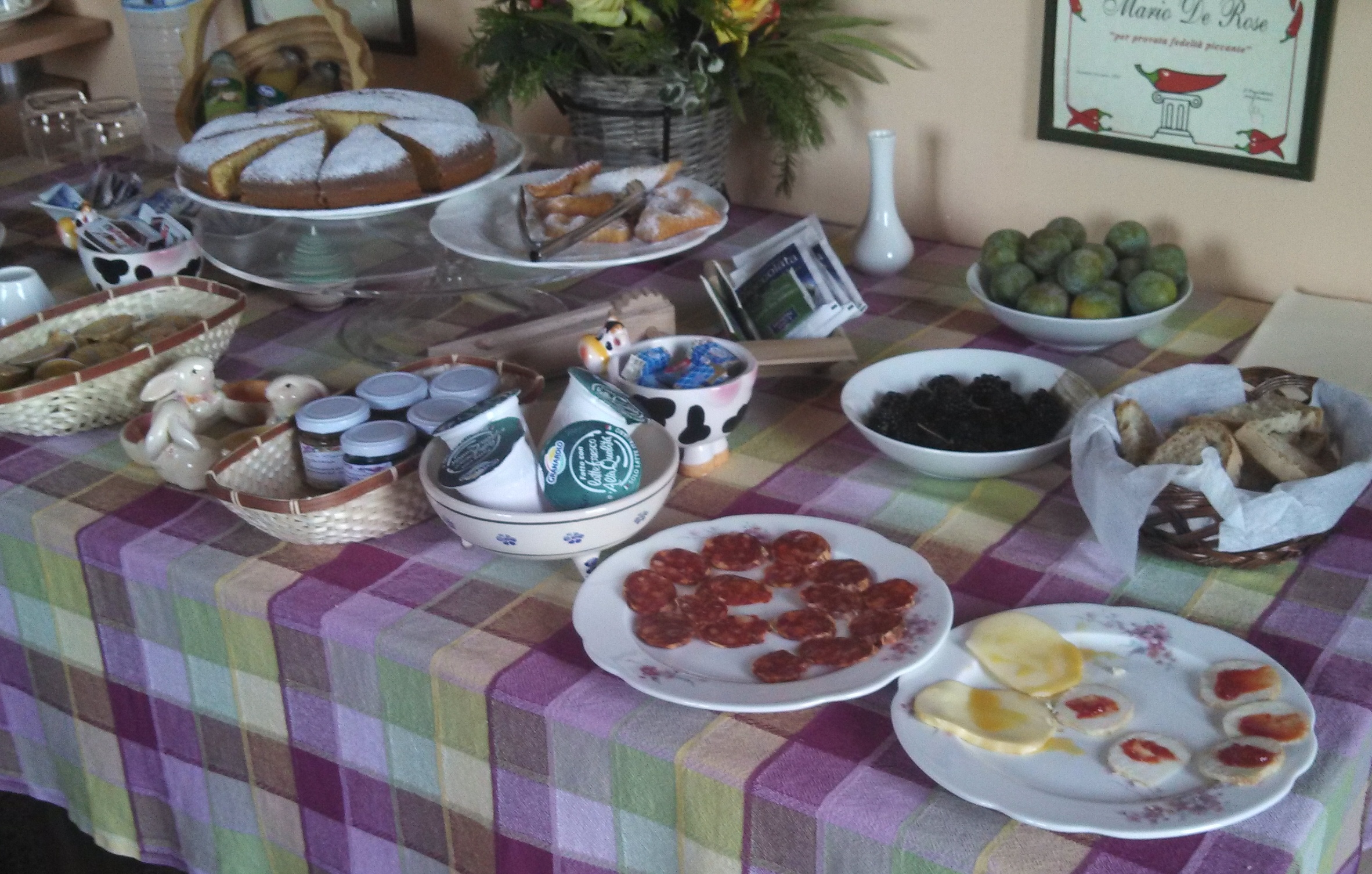
The B & B was renovated in the last couple of years, and has two rooms for rent. Both are large, comfortable second-floor rooms (that is the first floor in Italy, because they don’t number the ground floor, but second floor in American), and have private bathrooms. There is also a lounge for guests. Downstairs in the breakfast room the wall is adorned with Mario’s certificate as a “Cavaliere” (champion) of “Sua Maesta” (his majesty) the pepperoncino, issued by the Italian Academy of the Pepperoncino.Agrifoglio-certificate

Valentino speaks English pretty well–his dad, Mario, doesn’t. Both are very hospitable, and we were happy to have a comfortable bed (with memory foam pad), and windows that opened as the evening cooled off. The bathroom had a toilet, sink, and tub/shower, but the hand-held shower head did not have a secure holder, so really had to be hand-held.

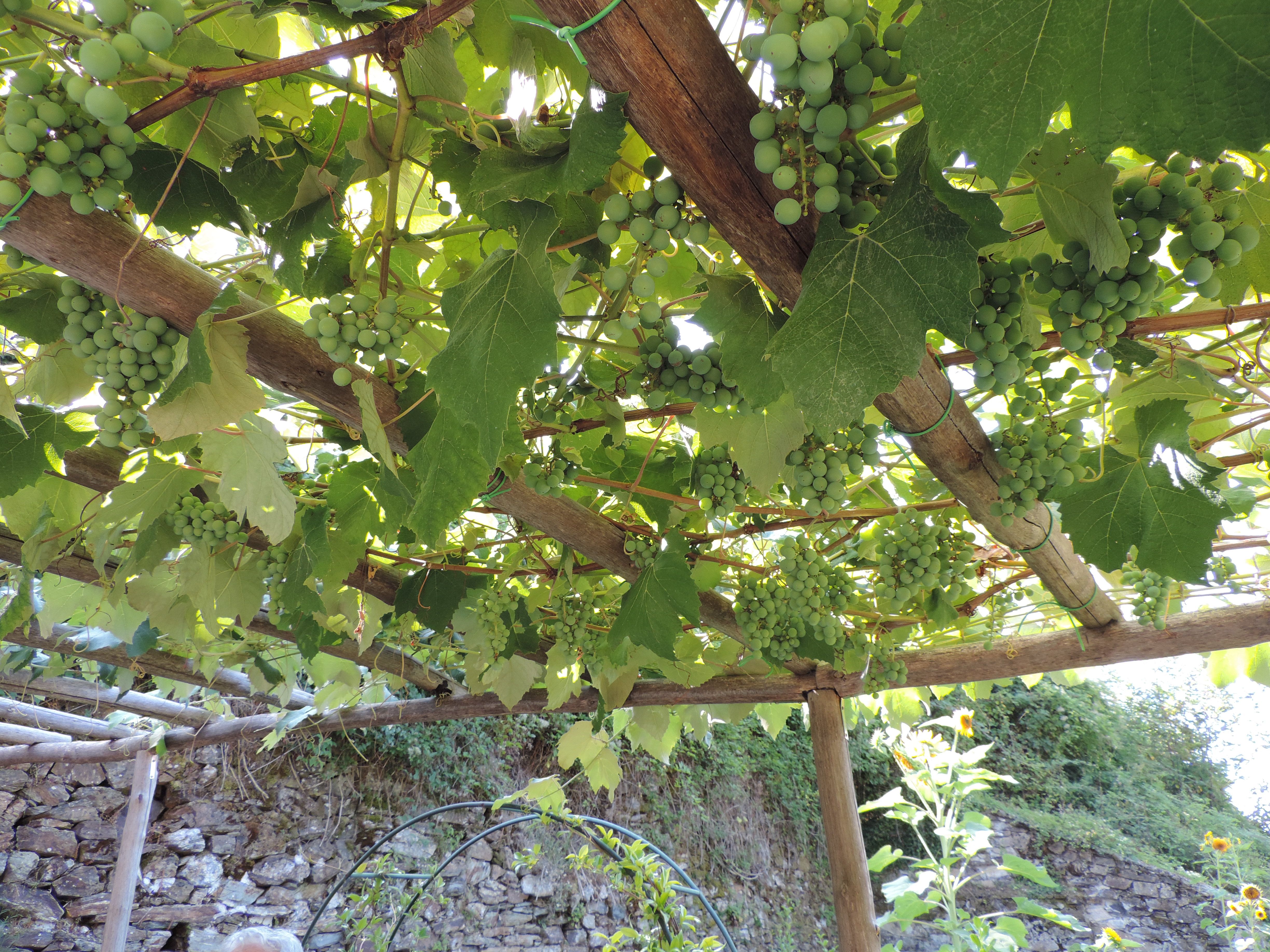
Grapes ripening in the B & B's garden.

Grapes ripening in the B & B’s garden.

Agrifoglio is very small–there’s no restaurant or even a coffee shop, so we drove back to Colosimi for dinner at the Blue Moon Ristorante Pizzeria, and were glad we did. No one there spoke English, but we got by, and enjoyed the pizza we shared. In fact we liked it enough to go back a few nights later! They were doing a booming business that night, and everyone in the place seemed to know each other–gotta love small town life.

Agrifoglio-breakfastAfter a terrific breakfast the next morning (check out the photo!) at the B & B, Mario and Valentino showed us around their garden–grapevines, dahlias, sunflowers, and a couple of holly bushes. When I commented on them, Valentino told me that’s what “agrifoglio” means–holly. And when we prepared to pack up, they packed up too–a bunch of the breakfast food went into a take-home bag for us to have for lunch.Agrifoglio-garden

I recommend this place for anyone needing a stop on the way up to the Sila, and it is roomy enough to be comfortable for a few nights if you’re exploring the area. We hadn’t planned to stay there, but I’m glad we did.

Where Francesco’s life began: Palinudo

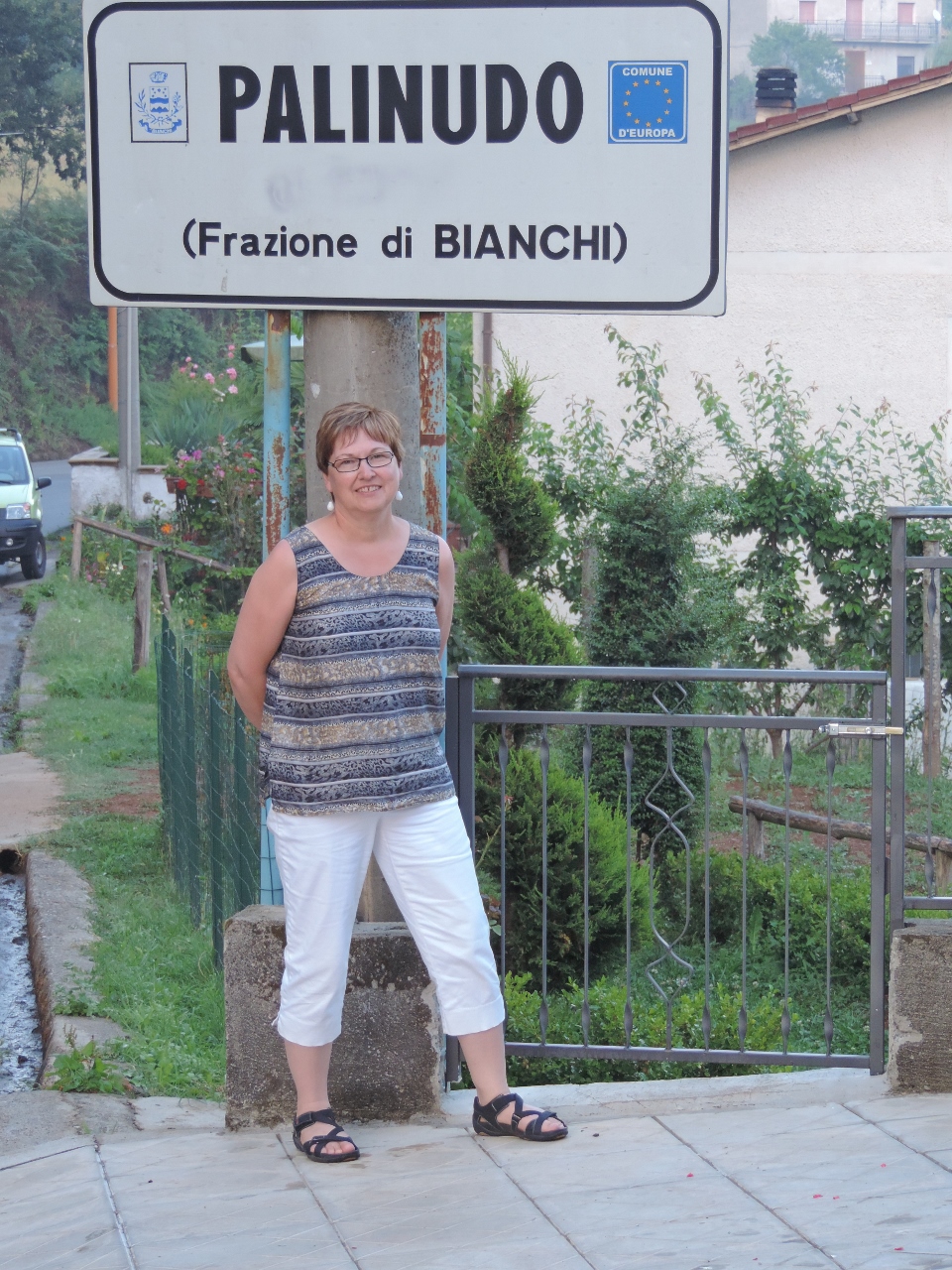
Bianchi-Palinudo (960x1280)In family history, every answer, every discovery, prompts a new question or search.

My great-grandfather, Francesco Aruri, was born in Serra di Piro, and “frazione” or hamlet near Bianchi, Calabria, in 1846. Here is a summary of the recorded information about his birth:  The birth of Francesco Arcuri was filed on 1 August 1846 in Bianchi by his father, Pasquale Arcuri, age 47, a peasant farmer residing in Bianchi. His infant son was born at home in the Serra di Piro District, on this day to his wife, Maria Innocenza Perri, age 35, and was given the name Francesco. Francesco Arcuri was baptized on 1 August by the parish priest of the Church of San Giacomo, in Bianchi.
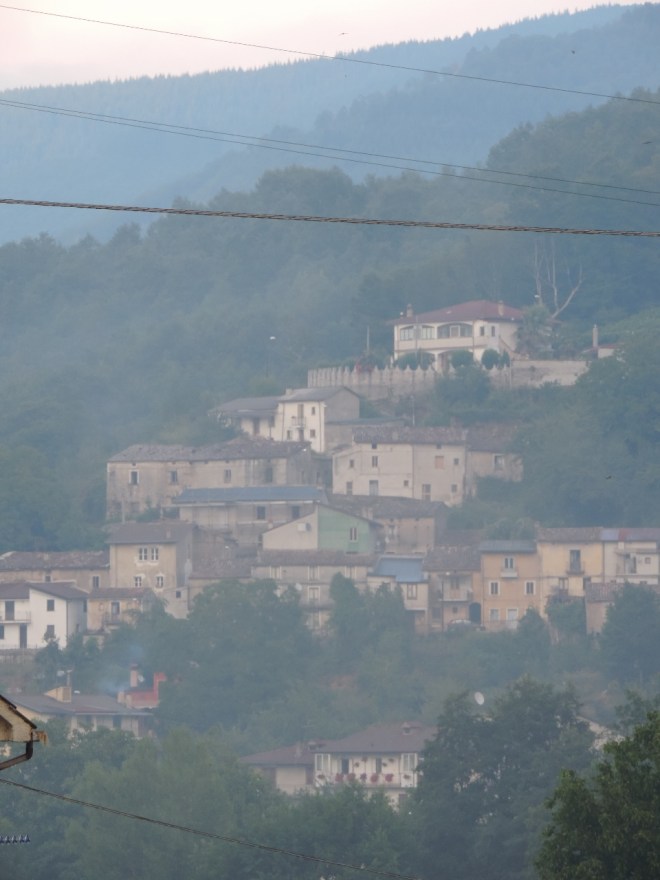
The Serra di Piro district near Bianchi.

The Serra di Piro district near Bianchi.

I found the Serra di Piro area on Google maps. It is just north of Bianchi a mile or two, and very close to Palinudo, where Pasquale Arcuri was born. The records say: The marriage of Pasquale Arcuri and Maria Innocenza Perri was filed on 31 August 1830, in Bianchi. The groom was 26 years old, a peasant farmer born and residing in Palinudo. He was the son of Giacomo Arcuri, a peasant farmer residing in Palinudo, and Saveria Mancuso, residing here. The bride was 28 years old, born and residing in Bianchi in the Serra di Piro District. She was the daughter of the late Francesco Perri, a peasant farmer, and the living Concetta Cosco. The couple was wed on 3 October in the parish of San Giacomo, in Bianchi.

San Giacomo church, where Francesco Arcuri was baptized, and where his parents were married.

San Giacomo church, where Francesco Arcuri was baptized, and where his parents were married.

So Francesco’s father, and both his grandfathers, were peasant farmers in little hamlets in the foothills of the Sila. What does “peasant farmer” suggest? I headed to Palinudo with that question in mind–would we find a group of huts along a dirt track? Scattered houses among hillside vegetable terraces? Both of Francesco’s grandmothers were cotton spinners. What kind of textile industry supported their work? Who paid them? How far away were the weavers who used their cotton, and what did they make from it? Was the cotton also grown nearby?

A simple home in Palinudo.

A simple home in Palinudo.

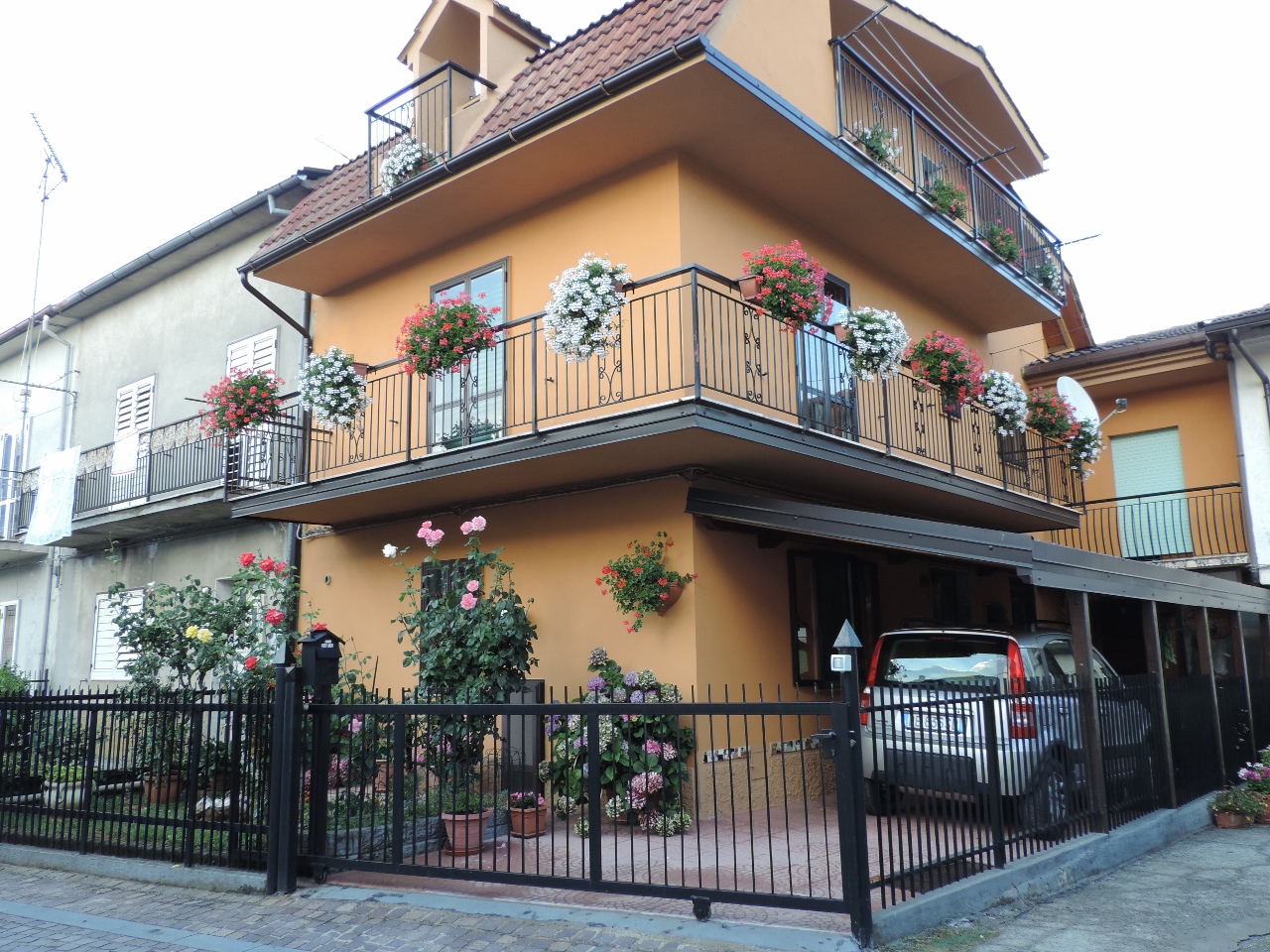
Of course, more than 150 years has passed since those descriptions were written in Bianchi’s town records. And whatever Palinudo was in the 1840’s, it is now a small but thriving ‘suburb’ of the town of Bianchi. In the half-hour or so we spent there, I saw a Mercedes, a BMW, even a Jag. The roads were paved (not fancy, but paved). There is a small, but rather desolate, church in the hamlet. I wonder if it was desolate even in 1846–is that why Francesco was baptized in Bianchi? What were the options and factors that went into the decision about where to baptize a child?

One of Palinudo's nicer homes.

One of Palinudo’s nicer homes.

All too soon after Francesco’s birth, this death was recorded: The death of Pasquale Arcuri was filed on 2 October 1846, in Bianchi by Emiliano Arcuri, brother of the deceased, age 22, a peasant farmer, and Carmine Mancuso, brother-in-law of the deceased, age 28, a peasant farmer, resident of the Serra di Piro District of Bianchi. Pasquale Arcuri, a peasant farmer, died at home in the Fiume Corace District on 1 October, at the age of 40. He was born in the Palinudo District, the son of Giacomo Arcuri, a peasant farmer, and Saveria Mancuso, both deceased, and was a resident of Serra di Piro. Pasquale was married to Maria Innocenza Perri.

At two months old, Francesco was left fatherless, and all his grandparents were already deceased. What did an widowed mother of an infant do to support herself? Various other family members are named. Maria Innocenza Perri had a brother who was living when their mother died in 1831. Was he still alive? Did her late husband’s family help her? Did she remarry?
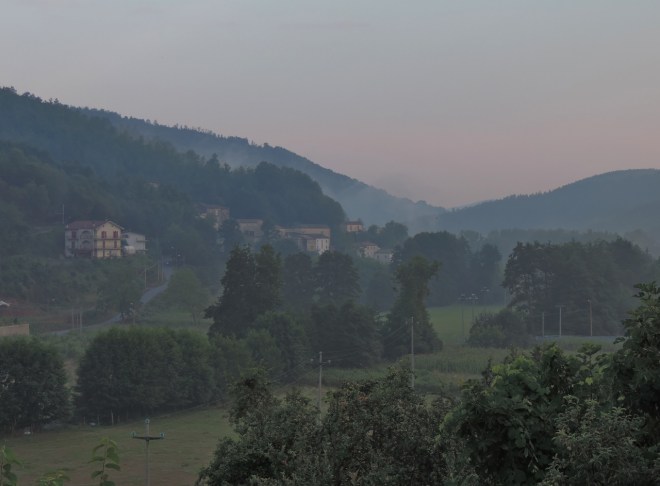
The Sila foothills around Bianchi.

The Sila foothills around Bianchi.

Some of these questions can be answered with more research, but I’m sure many of my questions will never be answered. I recently read an article by Ian Mortimer, an academic historian who also writes historical fiction under the name of James Forrester. In describing some of the different challenges between writing history, and writing fiction, he observed: “You suddenly find that your evidence-orientated knowledge of the period is just not enough; it does not equip you to describe in detail how a man or woman passes one whole day, let alone a number of different men and women across the period of several weeks.”

Even the most detailed historical study won’t likely help me fully understand the lives of these ancestors. I may have to resort to fiction to make their stories come alive.

4 Ways to Celebrate Italian American Heritage Month

Thanks for the ideas, Sons of Italy!

OSIA Blogger's avatarSons of Italy Blog

Although we’re halfway through October, it’s not too late to celebrate Italian American Heritage Month.

Here are some ideas to reconnect with your roots:

1. Read a book by a contemporary Italian-American author

  • Sons of Italy Foundation 2011 scholarship recipient Salvatore Giunta published an autobiography describing how he went from working at a Subway in Iowa to becoming the first living person to receive the Medal of Honor since the Vietnam War. Read Giunta’s first-person account in his book, Living with Honor.
  • If you’re looking for a political thriller (besides the one we just experienced in Washington) read a crime mystery by renowned author David Baldacci. The New York Times bestselling author just released a new novel, “The Hit,” and is set to release two more in 2014.
  • Don’t forget the Italian-American women authors! OSIA friend and supporter Adriana Trigiani continues to delight with her Italian-American-inspired stories.
  • If…

View original post 440 more words

Digging at the roots in Calabria

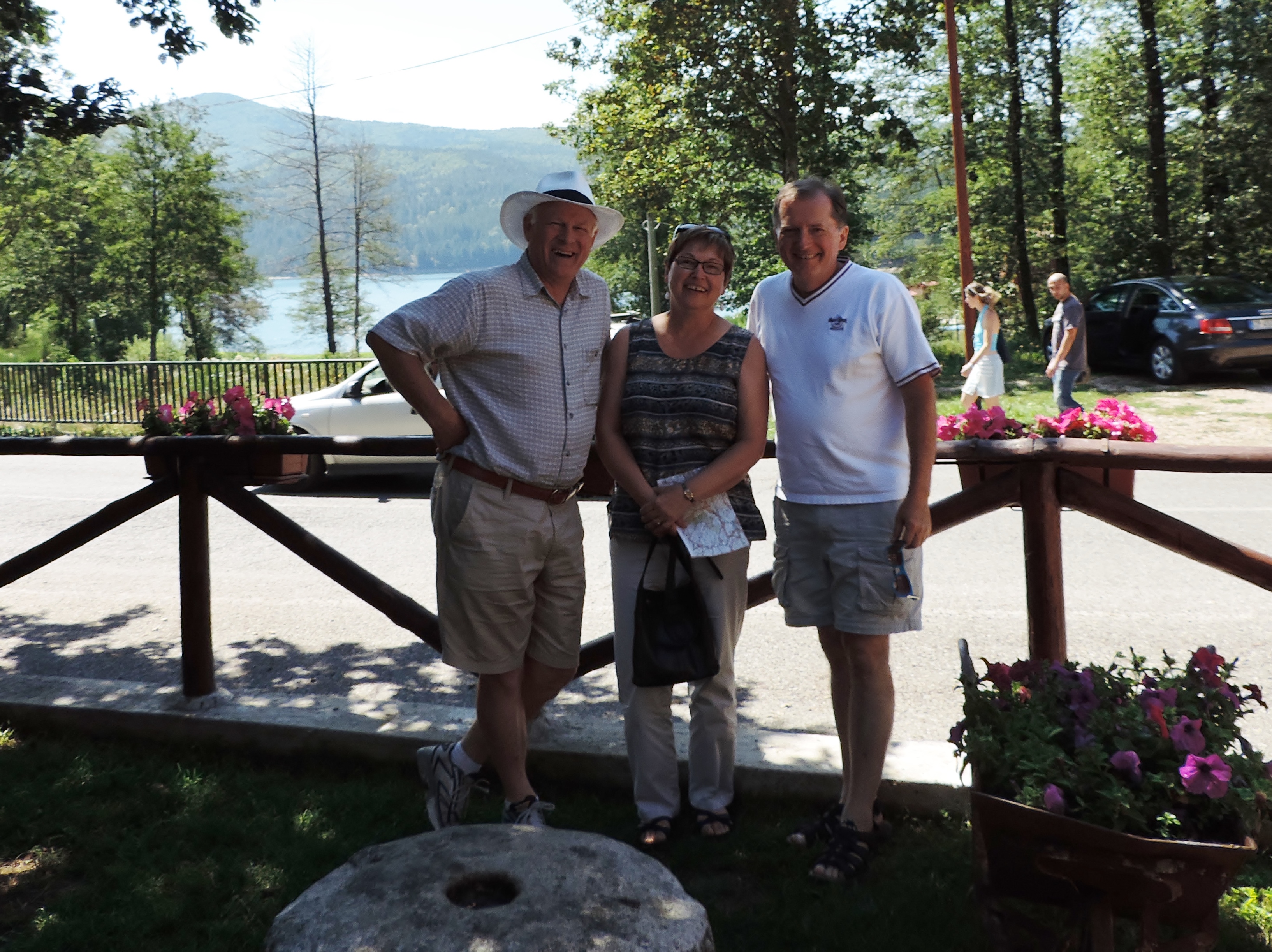
Vern (with hat), Glenn, and I exploring Calabria.

Vern (with hat), Glenn, and I exploring Calabria.

After a week in Venice in August, we headed to Calabria for the week of Ferragosto and a visit to my ancestral village, Scigliano. For the first time, my brother, Glenn, traveled to Calabria, and we shared a rented house about a thirty minute drive from Scigliano, along with my niece Sasha and her college friend Anna.

In a way, our Ferragosto week was like that of many Italian families, getting together with family members we don’t often see, and spending some family and recreational time together catching up. Funny that Glenn and I traveled to Italy for that experience, when we live only a couple of hours from one another in the U.S.

And one of our goals for family time was to explore the Italian root-ball of our past. It often seems like a big messy root-ball doing the research, but it is lots of fun to be there in person.

Our Italian cousins: Anna Maria, Francesco, and their father Ottavio.

Our Italian cousins: Anna Maria, Francesco, and their father Ottavio.

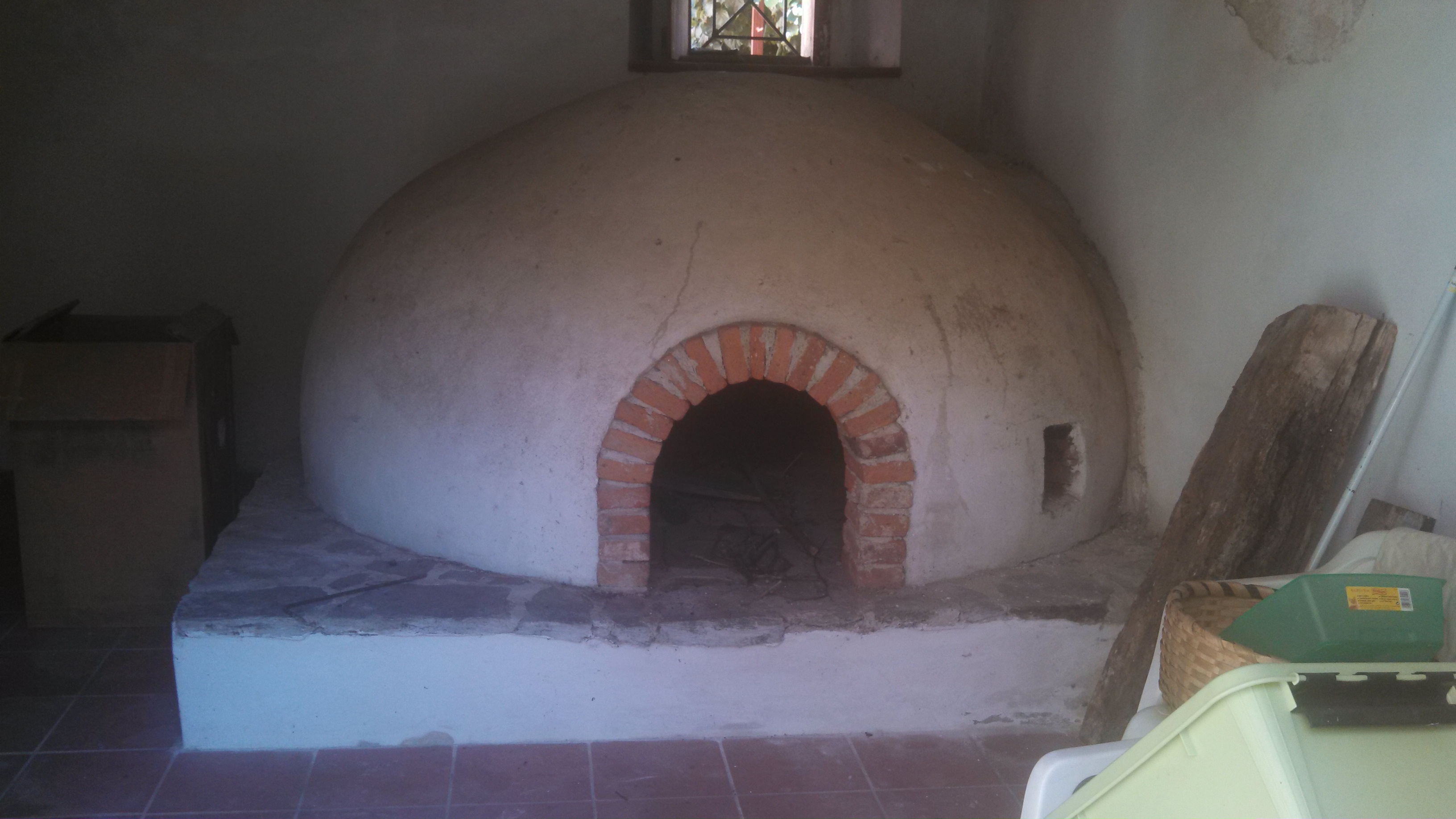
Our Italian cousin, Anna Maria, never explained to us how our family trees connect in the past. On this visit I met her father for the first time, and he set out some of his family tree for me, finally showing me where the Gualtieri line intersects. Ottavio is 94, and still lives in the house his mother bought in the frazione of Lupia. She built an oven and ran a bakery from that house, and the oven is still there today.

The old bread oven built by Ottavio's mother many years ago.

The old bread oven built by Ottavio’s mother many years ago.

Now Anna Maria owns the house. Ottavio is a retired policeman, and he understands a bit of English, but doesn’t speak it much, though his children are fluent. Anna Maria’s brother Francesco was in town for Ferragosto too, and we had some great talks with him, ranging from archeology (his post-retirement career) to health care in America and Europe.

A section of the cemetery in Scigliano--typical with its many above-ground vaults.

A section of the cemetery in Scigliano–typical with its many above-ground vaults.

We explored the Scigliano cemetery, and took lots of photos to compare with family records. So many Gualtieris!! And since I recently discovered several other surnames in the family, I took photos of those, too. Genealogy is a hobby that is never “finished” because there are always additional lines to follow. I’ll share more of our fun week in Scigliano in future posts.

One of the Gualtieri family vaults in the Scigliano cemetery--but whether it's 'our' Gualtieri people, I don't know!

One of the Gualtieri family vaults in the Scigliano cemetery–but whether it’s ‘our’ Gualtieri people, I don’t know!

The Royal Palace at Caserta

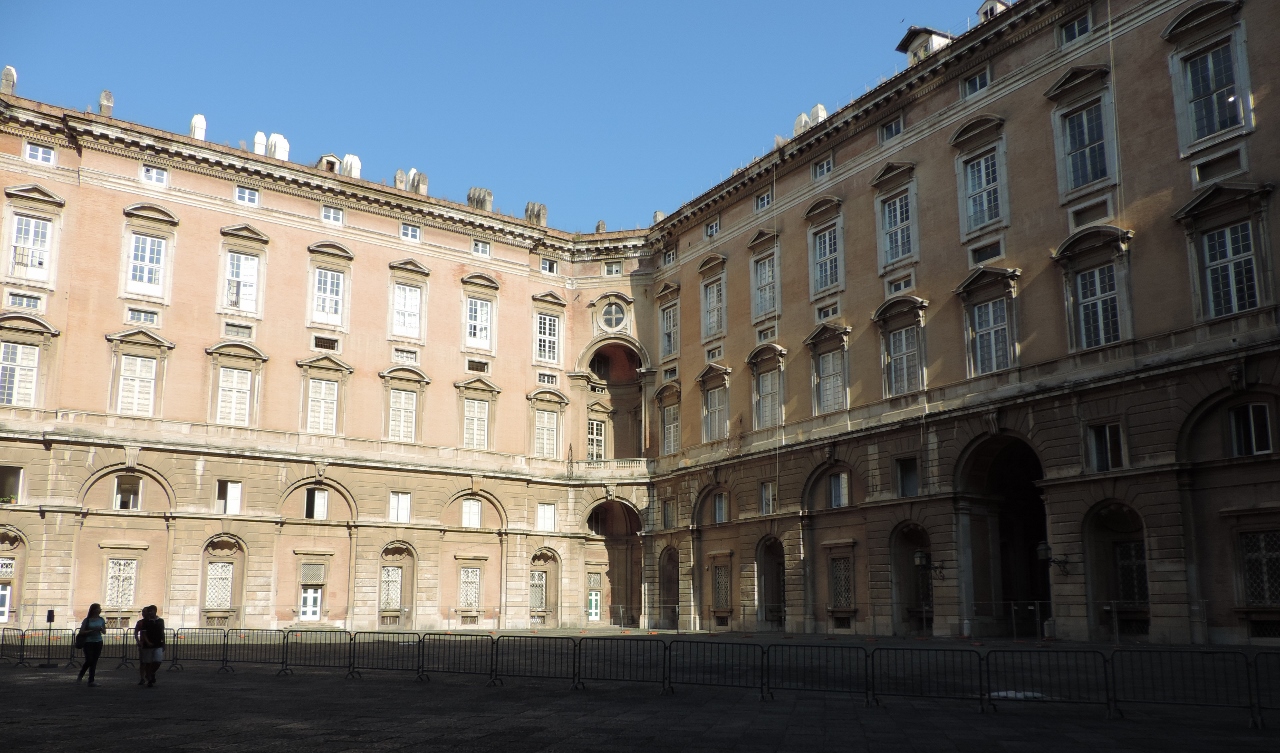
In the 1750s King Charles VII of Naples determined to build a royal palace that would outdo Versailles in beauty and grandeur. He chose the architect, Luigi Vanvitelli to make that goal a reality. The result is a 1200-room marvel of a palace, in fact the largest royal palace in the world, by volume. Each of the four inner courtyards is nearly an acre in size.

A waterfall along the long watercourse behind the palace.

A waterfall along the long watercourse behind the palace.

I had read reviews of visitors who complained that the interior which is available to tour was just empty rooms deteriorating in the heat. That was not my experience. Period furniture and artworks were in most of the rooms on our tour–though no interior photography was permitted. The tour covers a small fraction of the palace. Some areas are used for offices of government agencies. I believe most of the palace is unoccupied.

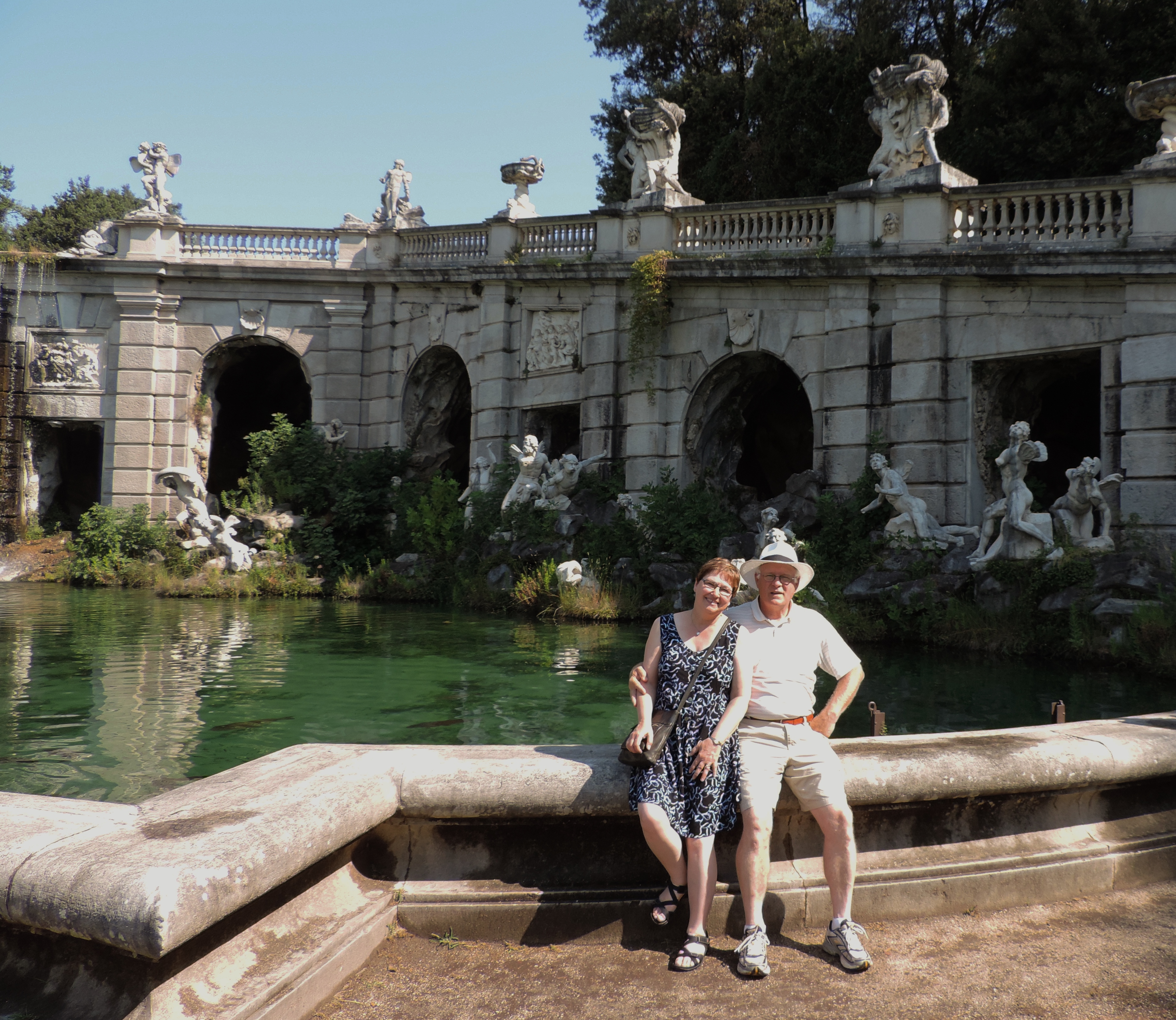
The exterior is perhaps even more of an attraction than the palace itself. A dramatic waterway forms the centerline for a series of parks and gardens.

For the rest, my photos will speak for me.

One of the four massive courtyards inside the royal palace.

One of the four massive courtyards inside the royal palace.

This spectacular staircase leads to the "piano nobile", the floor containing the royal apartments. In the film 'Angels and Demons' this staircase was used for a scene set at the Vatican.

This spectacular staircase leads to the “piano nobile”, the floor containing the royal apartments. In the film ‘Angels and Demons’ this staircase was used for a scene set at the Vatican.

A little more stairway detail.

A little more stairway detail.

One of the ponds along the watercourse in the palace's "back yard."

One of the ponds along the watercourse in the palace’s “back yard.”


Artistic detail is everywhere!

Artistic detail is everywhere!

Luigi Vanvitelli's statue stands in a park named for him, in the town of Caserta, a few blocks from the palace he designed.

Luigi Vanvitelli’s statue stands in a park named for him, in the town of Caserta, a few blocks from the palace he designed.