Book Review: The Irish and English in Italy’s Risorgimento by Mary Jane Cryan

cryan bookIn 2011, in recognition of the 150th anniversary of the unification of Italy–the Risorgimento–author Mary Jane Cryan  produced a book about the Irish and English who participated in the process.

Yes, this is one of those niche interest books–and perhaps a very small niche. Only 200 copies of the book were produced, and they can be ordered from the author. But the book is ideal for uncovering the fine detail desired by, for example, a historical novelist or writer of narrative history.

Perhaps you, like me, were unaware that any Irish or English participated in the unification effort in Italy. The Irish mostly joined forces behind the Roman Catholic church and the pope, whose control of central Italy was threatened, though a few supported Garibaldi. For the English, who for more than a decade had hosted a number of well-known Italian exiles, Garibaldi was a hero.

Cryan describes the experiences of both groups, as documented in personal and official correspondence, news reports and editorials, and other contemporary sources. In addition to key players, Cryan includes the experiences of a wide variety of people who participated in various ways–soldiers, journalists, wives, fund-raisers. The views of these participants, mostly outsiders but actively involved, add color and interest to the book.

Did I say color? There are great color illustrations too!

Cryan’s sources include material brought to light in recent years, and the book has end-notes, appendices, and bibliography.

Mary Jane Cryan

Mary Jane Cryan

Mary Jane Cryan has lived in Italy since 1965. From “About the Author”, Cryan “has been an international educator, journalist, and guidebook writer. She is the recipient of numerous awards for her contributions to historical research and cultural promotion…” Study of the Risorgimento is not new to her; it was the subject of her own doctoral thesis in 1985.

The book is for sale through Cryan’s website, Elegant Etruria, which includes articles on travel, history, and antiquing. She also offers services in travel consultancy and excursions.
Italian shoes: Legacy of my ancestors

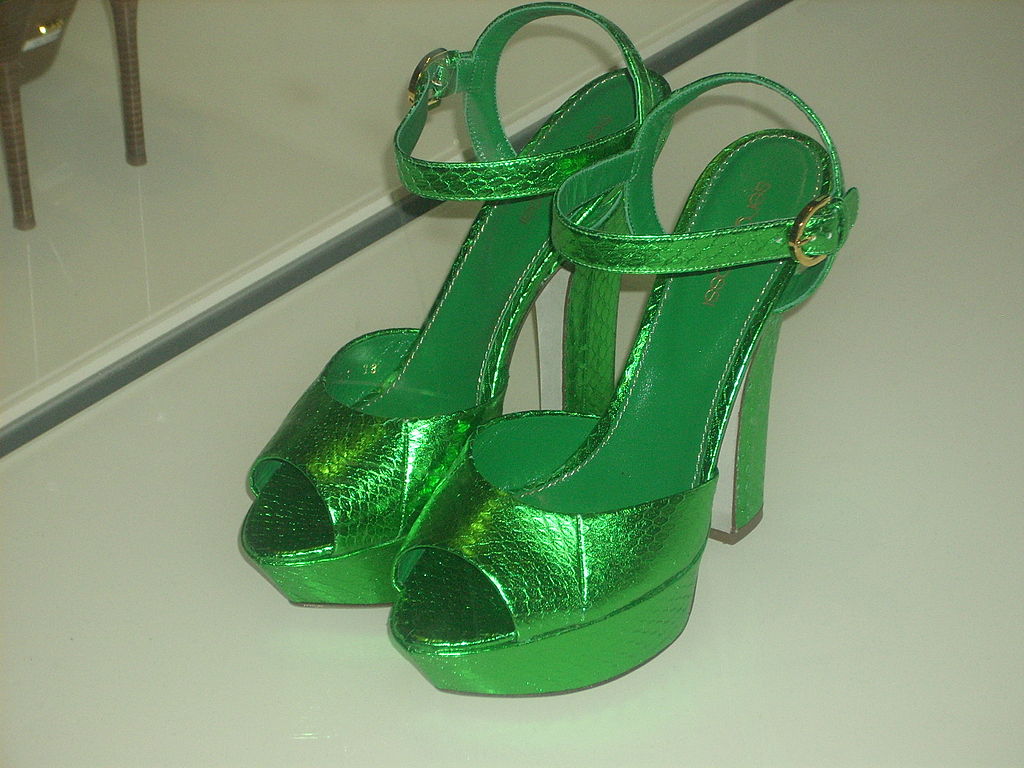
Designer shoes from Taormina.

Designer shoes from Taormina.

I hired Roots in the Boot to research my family roots in Scigliano (Calabria), and learned that I come from a long line of shoemakers!! Every Gualtieri ancestor of my great-grandmother, Josephine, was a shoemaker–back as far as Pasquale Gualtieri, born about 1725.

Could my great-great grandfather's shoe shop have looked like this one, from Wikimedia Commons?

Could my great-great grandfather’s shoe shop have looked like this Sicilian one? Image from Wikimedia Commons.

I would love to see a pair of their shoes, and I wonder what their shoemaking shop looked like. As I roam around Scigliano later this summer, I will be looking for shoe shops, and hope my Italian cousins there can tell me more about our shoe-making ancestors.

Several of the women in the family were cotton or silk spinners. I imagine this as “cottage” employment rather than work outside the home, but honestly, I don’t know. The villages that make up Scigliano are fairly small, but I don’t know much in detail about their history. Could there have been a weaving business there, turning their silk into luxurious velvets and brocades?

Could it be that at some point they combined their efforts, and made shoes like these?

Woman's silk brocade shoes, 1770s, probably Italian. Image from Wikimedia Commons.

Woman’s silk brocade shoes, 1770s, probably Italian. Image from Wikimedia Commons.

Do you know the occupation of your Italian ancestors?

The long lost (or hidden) Jewish community of Calabria

Today I learned about Rabbi Barbara, and her work in reconnecting Calabrian Jews with their Jewish heritage. I found her website very interesting, and especially this information on the B’nei Anousim movement in Calabria, dedicated to Jews who were forced to repudiate their faith–or be exiled–during the Inquisition. How naive I have been, never considering that this happened in southern Italy, just as it did in other places where the practice was better known to me.

Festive travels in Italy

Travelers to Italy often plan most of their visits around those “must see” tourist attractions like the Coliseum in Rome, the leaning tower in Pisa, and the ruins of Pompeii. Italy has enough of these to occupy many months of vacation time.

Italian Landscape with a Country Festival by Francesco Zuccarelli (18th c.) Image from Wikimedia Commons

Italian Landscape with a Country Festival by Francesco Zuccarelli (18th c.) Image from Wikimedia Commons

But there’s more to Italy than the typical tour itinerary includes. And one consideration might be local festivals. Just like local festivals here in the U.S. (and probably wherever you live), the festivals in Italy usually include booths with food vendors, special entertainment, and an atmosphere of excitement.

An internet search for “festivals Italy 2013” ended in frustration. The information was too general, and often too limited to a particular area. So I began a search including the name of a region, and found much more of interest. For example, through this link for Abruzzo:

http://www.craftsmenofabruzzo.com/index.php?option=com_content&view=article&id=53&Itemid=62

I found festivals throughout the year in towns large and small–ranging from a Trout and Shrimp Festival to a Bonfire Festival, to a snake-handling event with Roman origins. You might notice that this is the business website of a construction company in Abruzzo, but what a great service they have added for the English speaking traveler! Even a referral for an English speaking auto mechanic. Bravi, Craftsmen!

There are festivals for all kinds of interests: food (of course!!), religious holidays, history, music, and many more. You many belong to an organization with members in Italy you can connect with through a local festival in their town. And just as visitors to my town learn a little more about it if they attend our annual Irrigation Festival (going on this week, by the way), you can absorb some more Italian culture by enjoying a festival there.

So tell me, readers, have you attended a festival in Italy? Share about it in the comments, please!


RE-Blog: Three weeks in Calabria… by Dr. Kayt Armstrong

Here’s an interesting way to spend some time in southern Italy! Shared under the Creative Commons agreement: http://creativecommons.org/licenses/by-nc-sa/3.0/

Kayt's avatarGirl with Trowel

This is a really quick post to put up my #project52 pictures before I run off to Italy again tomorrow, this time for a short holiday with my beloved, who has never been before. I am almost unreasonably excited about showing him around Rome for the first time and watching him have all of these amazing ‘firsts’… On the MUST DO list: The Pantheon, The Forum, The Crypto Balba Museum, Castel San Angelo and Gelato from San Crispinos… have you got any quirky/unusual suggestions to add to our list?

As you know, I went to Calabria for fieldwork. The weather was better than we were hoping, we got all of the work done, but one of my bits of kit died fairly early on in the trip, and we didn’t find a lot of archaeological anomalies. The landscape, the company and wonderful local friends more than made up for…

View original post 266 more words

Italian Food: I’m growing some now!

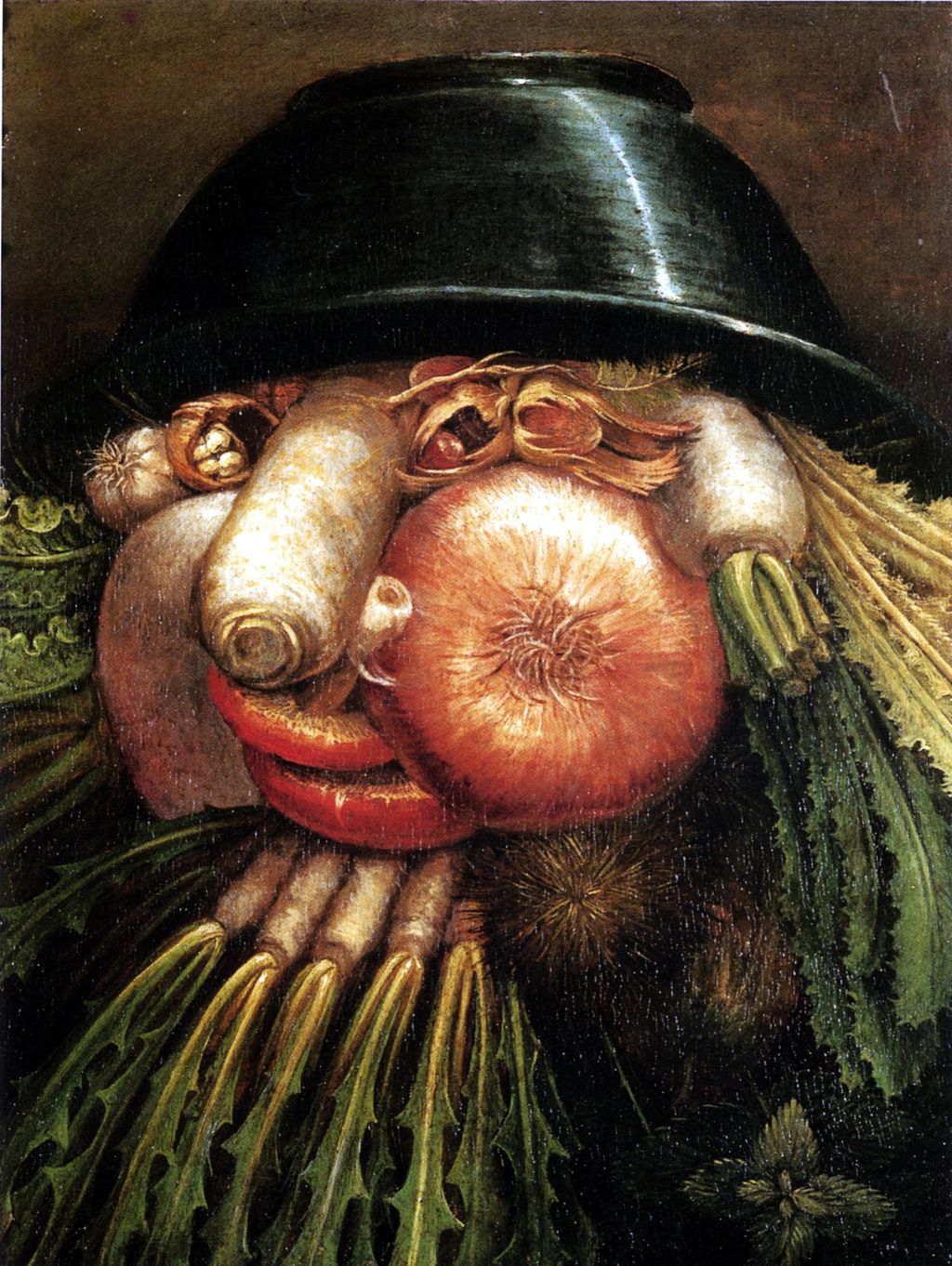
The Greengrocer by Giuseppe Arcimboldo (16th century). Image from Wikimedia Commons.

The Greengrocer by Giuseppe Arcimboldo (16th century). Image from Wikimedia Commons.

Today I finished planting my garden, and I was just imagining what I’ll be doing in a couple of months with my crops. Some of them don’t have particularly Italian applications that I know of. For example, rhubarb. It’s ready for pie-making now.

Asparagus hasn’t started peeking up yet, but I’m hoping to eat some in the next few weeks.

I have a patio pot with arugula planted in it this week. It’s too bitter for some people but I love the spicy bite of it in a salad, or even mixed into a sausage & potato Zuppa Toscana.  And I’m growing the potatoes too.

Green beans in two varieties–one is the typical American string bean, the other the wide, creamy Romano. Looking forward to some of those sauteed with a bit of bacon!

I know I’ll be overrun with zucchini, because I planted FOUR of them. Aren’t they grand producers? And besides using them in minestrone, or sauteed with some tomato and basil, I’ll have plenty for zucchini bread. And for gifts.

In other garden beds I have some mixed salad greens, sweet onions, peas, beets, carrots, and red Swiss chard. I’ll plant a few tomatoes in another week or so. And scour my Italian cookbooks (and the web) for ways to use all of it.

Are you gardening? What’s your favorite thing to grow and eat Italian style?